

A day playing with Beings at ACMI, led to a range of learning experiences that students readily engaged with in the classroom.
We know that young people of all ages enjoy visiting ACMI because we see what they create, listen to their reflections, and observe their engagement with our interactive exhibitions. Our education program centres on the excitement of discovery and the power of creative learning and offers teachers strong curriculum links to support classroom learning. While our programs are routinely evaluated through teacher and student feedback and team-based reflection, we were pleased to take that a step further through a collaboration with Deakin University researchers from the ARC Centre of Excellence for the Digital Child in a targeted study related to digital play. In the context of ACMI’s learning focus on creative production and screen literacy, we are always curious to discover more about the diverse and unexpected ways that students might engage with digital culture.
The research team drew on an existing partnership between Deakin University and St James Primary School to conduct qualitative research into two separate ACMI experiences: an exhibition visit by Years 1 and 2 students and a green-screen performance workshop for Foundation students. St James follows a play-based learning philosophy, with teachers fostering and encouraging playful engagement to build learning connections and support academic outcomes. The school refers to the Foundation class as ‘Discovery’, and Years 1 and 2 as ‘Exploration’ to highlight their learning focus.
The school had not visited ACMI before participating in this study, and we were delighted when St James teachers joined us for a preview of Beings, an exhibition showcasing an array of larger-than-life digital creatures that encouraged visitors to move, dance and play. After visiting the exhibition, the Exploration teacher Martin was enthusiastic about the learning potential of this interactive experience and saw many productive synergies with the Term 4 focus on robots.
Exploring Beings: playful learning in action
When the Exploration students visited ACMI a few weeks later, Martin offered some initial supportive cues to encourage independent discovery, but the students were already so practised in playful, active learning, they needed little prompting to explore, imagine, and make connections. They experimented with the artworks, exploring the capacity and limitations of the sensors, testing for interactivity, and responding to the continuously metamorphosing digital creatures. The interactive artworks encouraged embodied learning and motivated students to test the installations’ limits and potential.
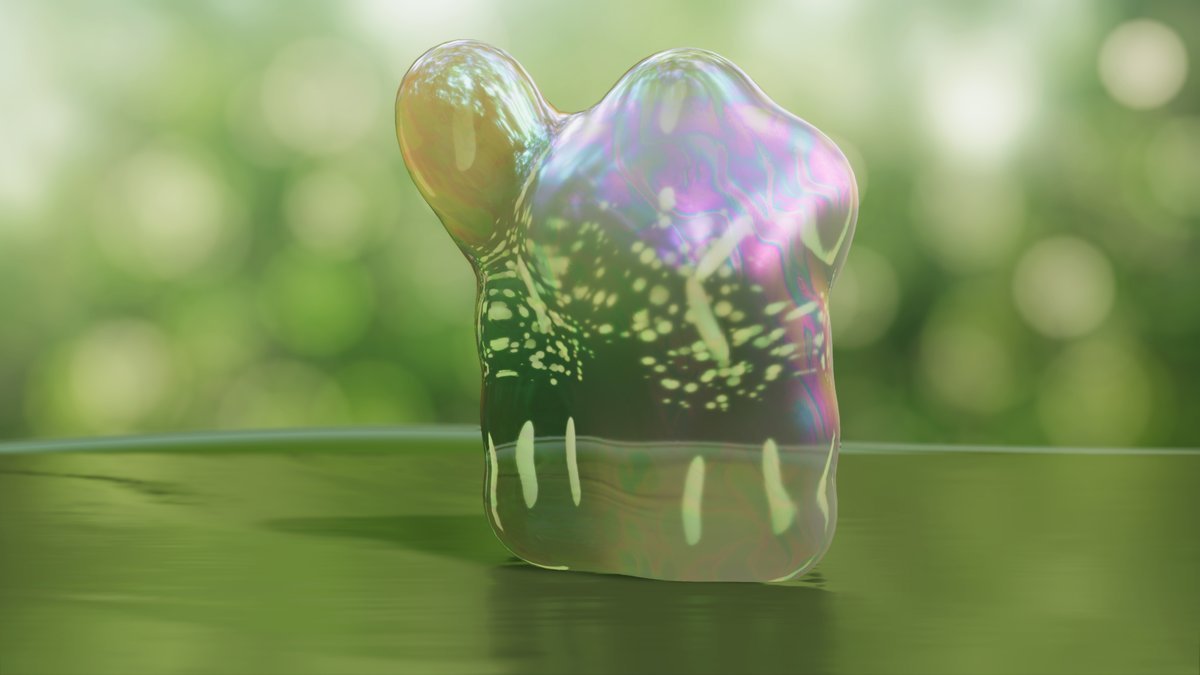
Symbiosis, which comprises two large bubbles that merge through collaborative movement, was a popular choice for the way it encouraged pairs to experiment and play together. Here is just one observation out of many describing the fun they had with this artwork: "I spent a lot of time doing that blob because it was really fun and when you went off, it dissolved. And it was really satisfying that you could connect the blobs to make one big blob."
Inspired by the natural landscape, Into the Sun is an interactive artwork that invites visitors to use gesture and movement to make flowers germinate, grow and bloom. Many students recounted the pleasure they found in making the plants grow and move: "You can make your own plant, and you can grow it. If you put your hand up, your plant will get more bigger." One student expressed a very special feeling of connection with this magical landscape: "I felt like a shining star looking above and to see what was going on in the clouds. Just plants growing."

In Transfiguration, a figure in a perpetual walk cycle continually shifts in form and substance. This is a video with changing textures and states that fascinate and surprise, and an evocative soundscape: “We heard the textures just creaking, and making the same sound that the texture was. It was just interesting, and I was just staring at it.” Some students were also inspired to mimic and embody the figure’s evolving movement.

Another video work, Maison Autonome offered a zany, fantastical fashion parade, and it was wonderful to see students embrace its humour, as they strutted and sashayed in front of the screen with exaggerated, comical flair.

During their visit, Martin encouraged students to explain how they thought the technology behind the artworks functioned, a dialogue that not only demonstrated understanding but also helped embed key concepts. This form of reflective practice is an important way for students to consolidate their learning and leads seamlessly into post-visit activities that engage with and extend discoveries made during the ACMI visit.
Extending the learning: robots, narratives and animation
Effective play-based learning is guided and scaffolded by teachers who help students connect playful exploration with curriculum goals. In this context, it was encouraging that Martin’s first port of call when planning the excursion and the accompanying robot unit was the ACMI Beings Learning Resource. It was equally pleasing to see how he used the characters students created in the gallery from transparent shapes as inspiration for their robot narratives, a stimulus that bridged the imaginative play sparked by Beings with the more structured task of narrative writing.
The Exploration class brought their robotic creatures to life within rich narrative worlds, inspired by Future You, one of the interactive artworks in the exhibition. After writing and illustrating their stories, students animated their robot characters using the PuppetMaster app, which allows creators to act out movements and map them directly onto their characters. This provided an exciting way to reference and reconnect with the embodied interactivity of Beings. Though, it should be noted that creating an animation is quite different from the free play generated by the exhibition, and some students preferred the precision provided by the touch screen to achieve the desired movement.
Discovery: Fairytales, Fantasy and green-screen performance
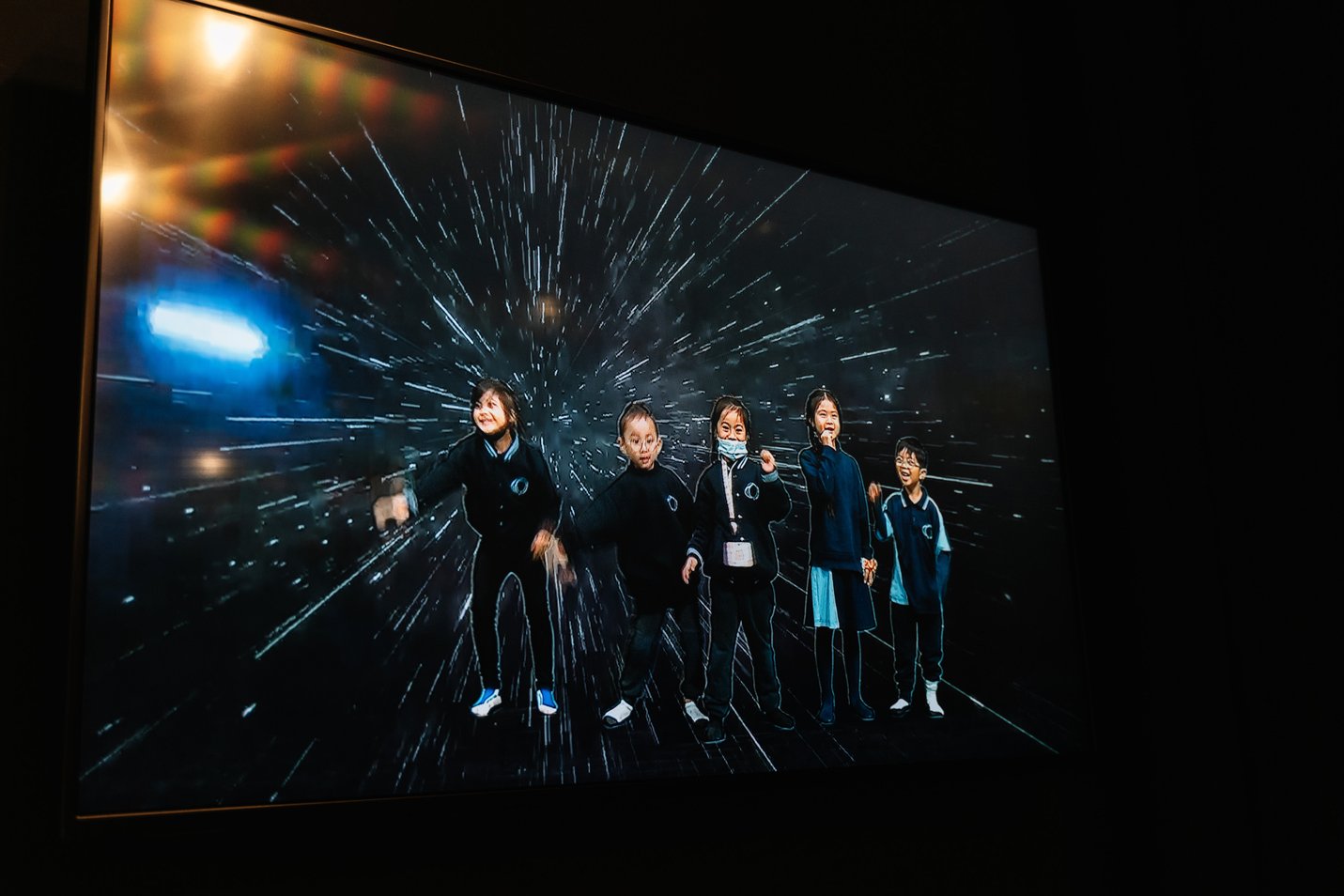
In a separate visit, the St James Discovery (i.e. Foundation level) students joined us for a Fairytales and Fantasy workshop, a green-screen session that introduces performance, screen technologies and narrative. In contrast to the free-range learning sparked by Beings, Fairytales and Fantasy is a structured experience where a fractured fairytale scenario is set up at the beginning of the workshop. A fairy godparent appears on screen and invites students into a magical world where Cinderella has gone missing. Students then perform individual scenes as part of this larger story. As well as having fun getting drawn into a magical world, putting on costumes and seeing themselves on camera, students find out about visual effects using the green screen and gain a basic understanding of crew roles on a film set.
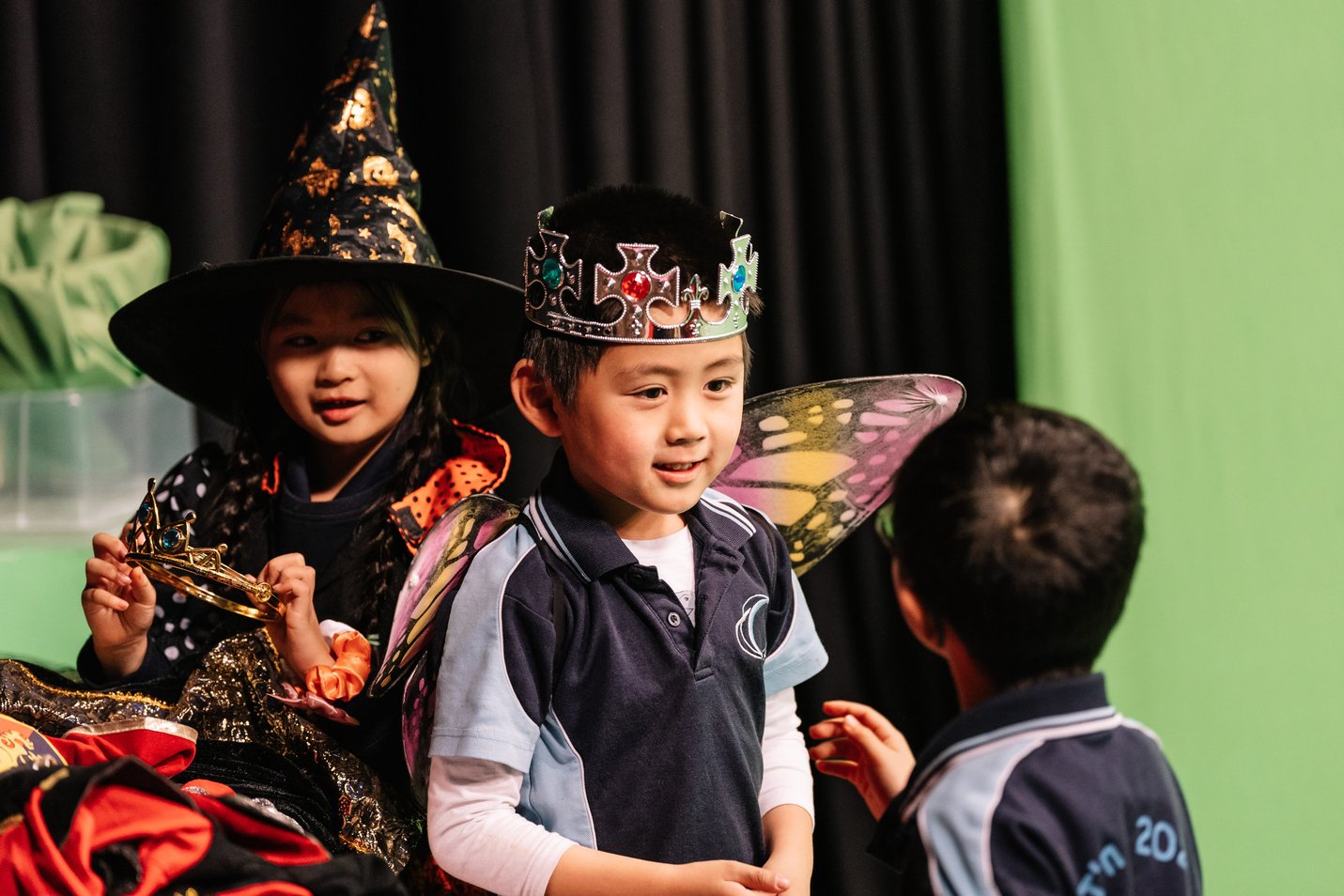
Because of the length of the students’ journey from Sebastopol, ACMI learning facilitators needed to move quickly to ensure that all students had a chance to perform. Their teacher, Courtney, and the research team have reported on the students’ excitement at being able to perform in front of a camera in an actual broadcast studio. That said, some students got quite nervous when their turn came, and others found it hard to wait for their turn – not unlike certain professionals! Speaking, listening and waiting are learned skills and, in the case of the Fairytales workshop, the payoff for activating these skills comes with the celebratory screening of what students have made. As in film production, the separate elements generated throughout the workshop are brought together in the final edit. Unfortunately, the St James students couldn’t stay for the screening due to the distance they had to travel home, but they had the chance to see their film back at school.
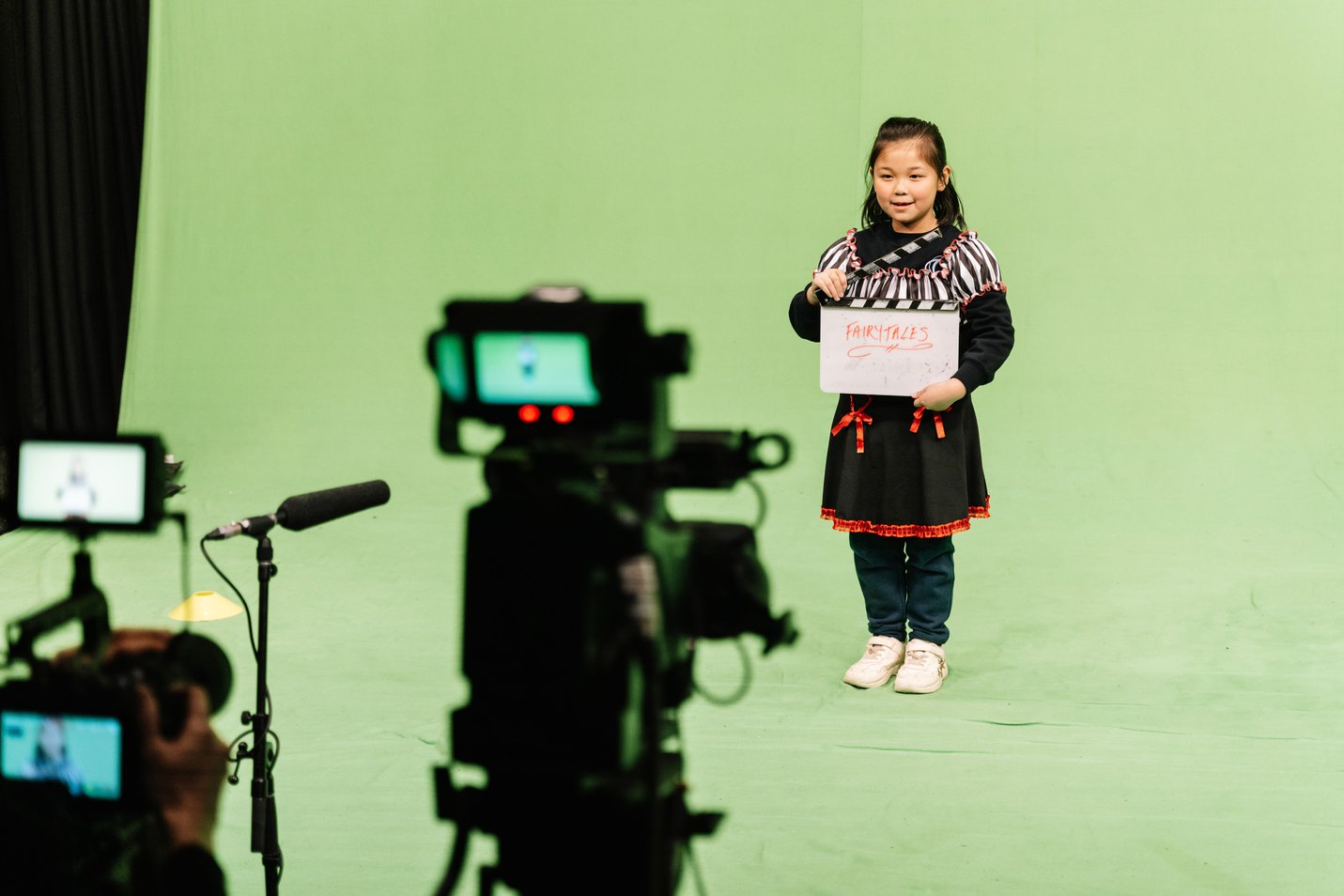
Without the film screening, the narrative element of the workshop needed to be reinforced back in the classroom. Still, it was impressive when the students reflected on their visit, how much of the technology these young students noticed and remembered, from the green screen to cameras, monitors, and sound. Some feedback from Courtney and the students suggests they would have liked more freedom in creating characters and dialogue. In fact, students are free to be as creative as they like during performances, but experience has taught us that many find this overwhelming in the moment. Excitingly, Courtney was inspired by the ACMI experience to give students opportunities to perform their own stories and characters on a green-screen setup back at school. She was pleased when introducing this activity to see how recognition and understanding had carried over from the ACMI visit: “…and they’re like, oh, that’s what we saw at ACMI."
Teacher insights and classroom practice
Our hope – and intention – is that after students have visited a fantastical fairytale world at ACMI, they will continue to imagine and create back at school. And this is precisely the approach adopted by Courtney, who ensured the ACMI workshop was embedded in introductory and follow-up activities as part of a unit on fairytale narratives. Prior to the ACMI visit the students explored both traditional and fractured fairytales. After visiting, the plan was for students to create their own narratives to be performed on a green screen. They used the structure of beginning, middle and end, storyboarded each section, and wrote the text of the story. Groups of students then acted out the story on the green screen, directed by the student who wrote the story. In a nice touch, the student director was given the opportunity to watch the recorded performance and provide feedback for Courtney to do an edit in iMovie. The class then watched the final film. This unit of work is an excellent example of how the onsite impact of ACMI workshops are at their most powerful when teachers build on the day of learning that takes place at ACMI.
Excursions that spark ongoing learning
Our hope is that our workshops are not just about student learning but can also provide teachers with new ideas and strategies for incorporating creative storytelling and production into their classrooms. This was undoubtedly the case with the very motivated St James teachers. Just as the Beings visit inspired Martin to seek out body tracking animation software and engage students in discussions around motion capture and visual effects, the Fairytales workshop was a great prompt for Courtney to explore new technologies: "After seeing the green screen in action, having many conversations with Martin about green screen technology, and reaching out to ACMI staff, I found some confidence in being able to bring back the learning from ACMI and apply it in the classroom."
It was rewarding to see in Courtney’s lesson plan how she drew on ACMI’s green-screen protocols to reinforce and build on the students’ experience during the workshop. These include shoes off, ‘quiet on set’, walking not running, listening ears and respectful play.
Viewing an ACMI exhibition and a performance workshop through the lens of playful learning has been illuminating, and hearing from students and teachers about their experience also offers a rich perspective. While the Beings exhibition aligned more obviously with St James’s pedagogical approach than the more structured workshop, in each case the ACMI visit was designed as part of a larger learning unit rather than an end in itself. For us, the most positive outcome of this research is how it underscores the value of preparing students to engage fully with an excursion and, even more importantly, the remarkable ongoing learning that a well-targeted excursion can inspire.
Acknowledgement
This article draws on a research study conducted by Professor Louise Paatsch, Dr Celine Chu, Martin Thomson, Courtney Morgensen, Dr Maria Nicholas, Jacquelyn Harverson, Dr Sharon Horwood, Dr Marcus Horwood, Dr Chris Zomer and Professor Julian Sefton-Green.