The Melbourne Cinémathèque & ACMI present
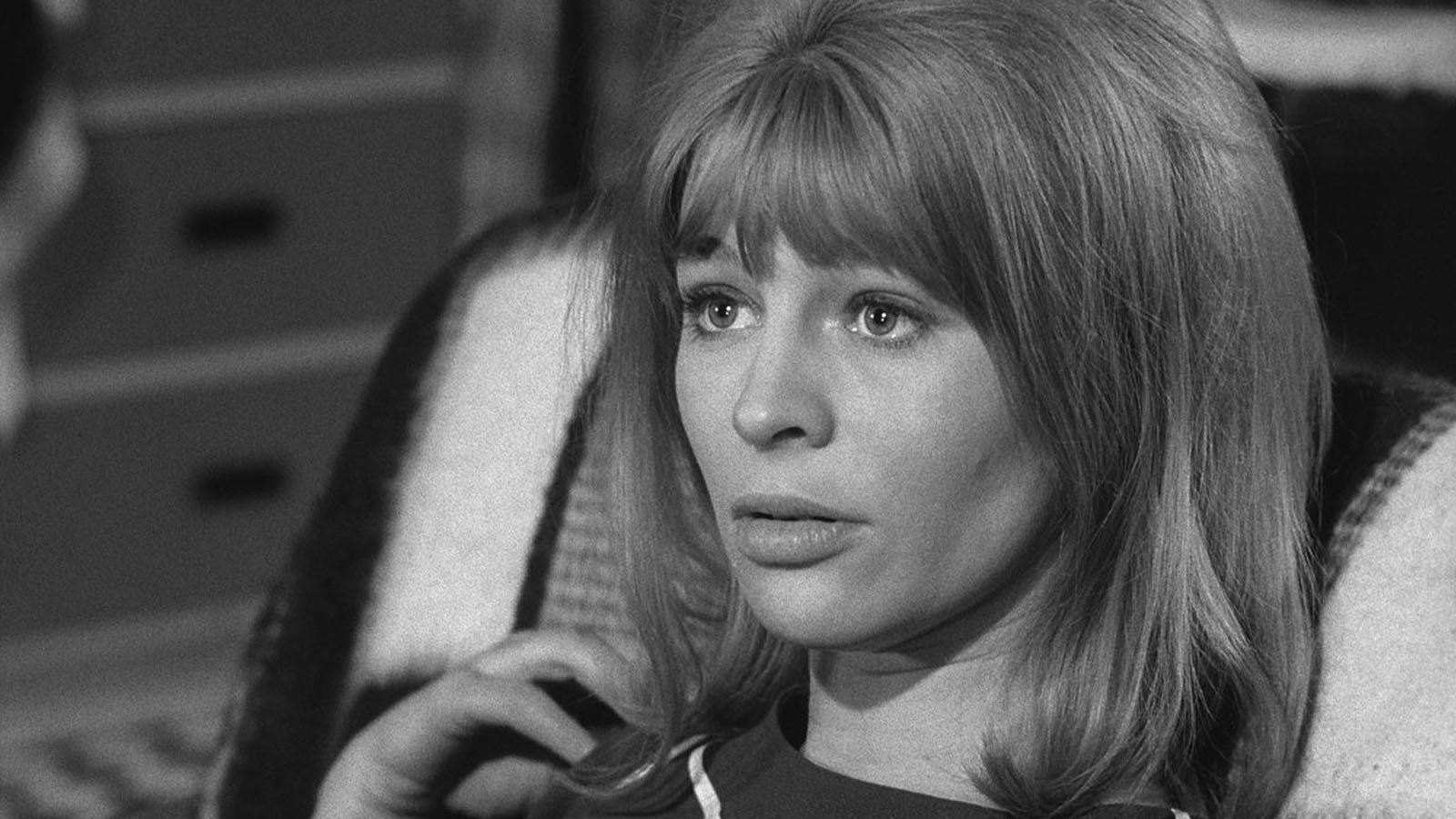
A Woman of Her Time: Julie Christie
When
Wed 6 May – Fri 22 May 2026
It is significant that Julie Christie (1941–) rose to fame in England in the early 1960s, a country on the cusp of social change. In one of her earliest and most emblematic roles, she played the youthful, vivacious Liz in John Schlesinger’s much-admired Billy Liar (1963). Confidently swinging her handbag and smoking cigarettes, she didn’t just dream of leaving her humdrum surroundings, she got on a train and left. As John Walsh wrote 50 years later: “It’s a movie that vividly heralded the Sixties world of freedom, romance and escape”, an emerging sensibility embodied by Christie’s character.
A rising international star, her next breakout role was in Schlesinger’s modish Darling (1965), shot in London, Paris and Rome, and winning Christie the Best Actress Oscar. She ensured that her character had a “look” carefully matched to the locations, and when the film became a major hit in America her “British New Wave” style took the country by storm. The press crafted a narrative of rebellion and adventure around her, and she became a role model for a generation of women seeking a modern feminist identity – thoughtful, as well as independent and sexually autonomous.
These early roles established Christie as an emblem of the “Swinging Sixties”, but this dominant public image de-emphasised her considerable gifts as an actor. The quality of her work is demonstrated by the varied and often-adventurous films she went on to make in the late 1960s and 1970s, including roles as the vulnerable, conflicted young upper-class woman in Losey’s The Go-Between (1971), as the haunted and suggestible mother in Roeg’s Don’t Look Now (1973) and, most indelibly and touchingly, as the matter-of-fact, world-weary madam in Altman’s McCabe & Mrs. Miller (1971).
In the 1980s, Christie increasingly turned down high-profile roles in favour of auteur-driven projects and engaged deeply with the question of how to maintain her feminist principles in a highly gendered industry. The Gold Diggers (1983) was a critical turning point for Christie and director Sally Potter, using the star’s influence to convince the BFI Production Board to finance the making of a radical feminist film with an all-female crew.
Christie continues to act into her 80s, with significant roles over the last three decades, most memorably as a woman slowly “lost” to Alzheimer’s in Sarah Polley’s heartbreaking Away from Her (2006). This season profiles six key performances by one of the defining actors of modern cinema.
Films in this program
There are no upcoming related events at this time.
About Melbourne Cinémathèque
Australia's longest-running film society, Melbourne Cinémathèque screens significant works of international cinema in the medium they were created, the way they would have originally screened.
Melbourne Cinémathèque is self-administered, volunteer-run, not-for-profit and membership-driven.

Join our newsletter
Be the first to hear about upcoming exhibitions, films, events and special offers.