The Melbourne Cinémathèque & ACMI present
Light Without Mercy: The Tragi-Comic World of Roy Andersson
When
Wed 17 Jun – Wed 1 Jul 2026
Despite promises of commercial success after his breakout debut feature, A Swedish Love Story (1970), Roy Andersson (1943–) eschewed feature filmmaking for 25 years after the failure of his fascinating second feature, Giliap (1975). Spending the interim largely working in advertising, he resurfaced with the Cannes-acclaimed Songs From the Second Floor, for which he won the Jury Prize in 2000. The film was Andersson’s first feature to exhibit the meticulously composed style that would cement him as one of the 21st century’s most distinctive auteurs.
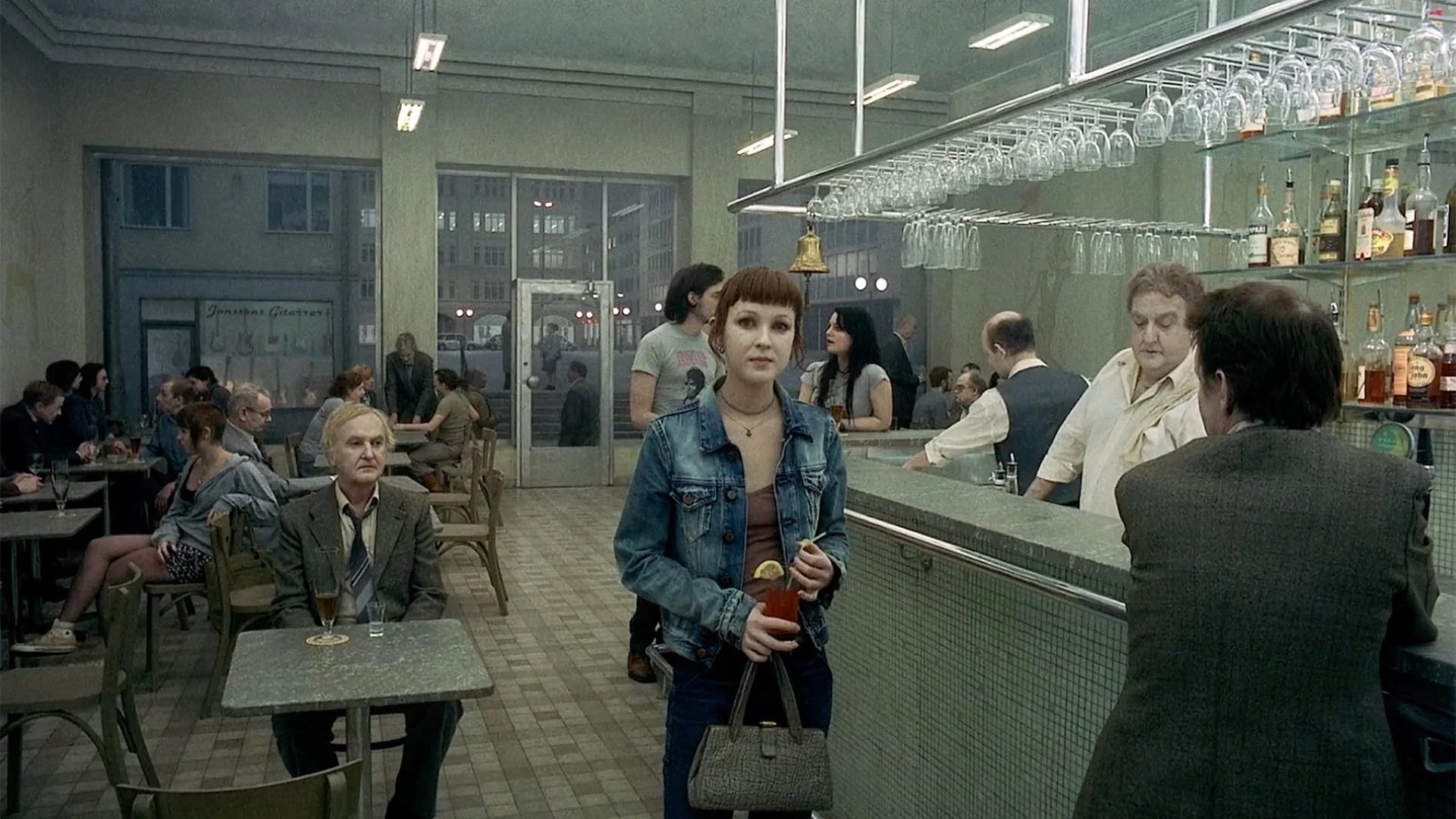
Dubbed a “dystopian Tati” by David Bordwell, Andersson creates intricately staged tableaux in works characterised by long-take, wide-angled sequences that situate his viewers as active participants, seeking out the beauty and humour amongst the everyday and the banal. When developing his films, Andersson works not from a script but his own single-panel watercolour paintings, building elaborate sets with cinematographer and long-term collaborator István Borbás out of his Stockholm base, Studio 24. His works blend the absurd with philosophical introspection, political commentary with endless existentialism. But for all their pessimism and provocation, there is an undercurrent of comedic flair and a deep humanity.
This retrospective features almost all of Andersson’s work for the cinema, including the renowned “Living” trilogy – comprising Songs from the Second Floor; You, the Living (2007); and A Pigeon Sat on a Branch Reflecting on Existence (2014) – rarely screened commercials, his latest and probably final feature (About Endlessness, 2019), and the celebrated short film World of Glory (1991) that gave us the first taste of his fully mature style.
Films in this program
There are no upcoming related events at this time.
About Melbourne Cinémathèque
Australia's longest-running film society, Melbourne Cinémathèque screens significant works of international cinema in the medium they were created, the way they would have originally screened.
Melbourne Cinémathèque is self-administered, volunteer-run, not-for-profit and membership-driven.

Join our newsletter
Be the first to hear about upcoming exhibitions, films, events and special offers.