The Melbourne Cinémathèque & ACMI present
Straight Shooter: John Ford, American Master
When
Wed 2 Dec – Wed 16 Dec 2026
Orson Welles once declared his admiration for the “old masters” of American cinema, “by which I mean John Ford, John Ford and John Ford”. The son of Irish immigrants, Ford (1894–1973) was undoubtedly one of the great poets and pioneers of American cinema and the key figure in the pantheon of the Western. But his characteristically blunt assessment of his own work – “My name is John Ford and I make Westerns” – only accounts for less than a third of his output of over 130 features.
The director’s career dates back to the very start of Hollywood in the 1910s, beginning with stints as a labourer, stuntman, assistant director and bit part actor before getting his first job directing two-reel Westerns in 1917, before quickly moving onto features later the same year. Over the following decades, Ford worked across multiple genres, making a vast array of commercially successful and critically lauded films, many now regarded as iconic works of American cinema and the popular representation of its history. Although he is most commonly remembered for his extraordinarily influential Westerns such as Stagecoach (1939), The Searchers (1956) and The Man Who Shot Liberty Valance (1962), he is almost as important as a director of war films, period films, historical “epics”, roustabout comedies and adaptations of literary works by writers like Eugene O’Neill, John Steinbeck and Graham Greene. In fact, three of his four Best Director Oscars (winning more than any other director) were for adaptations of significant novels. Tough yet sentimental, gruff yet surprisingly lyrical, Ford’s films display a deceptively simple personal vision and visual style that helped establish him as the archetypal auteur (along with Alfred Hitchcock) and the most characteristic of American directors.
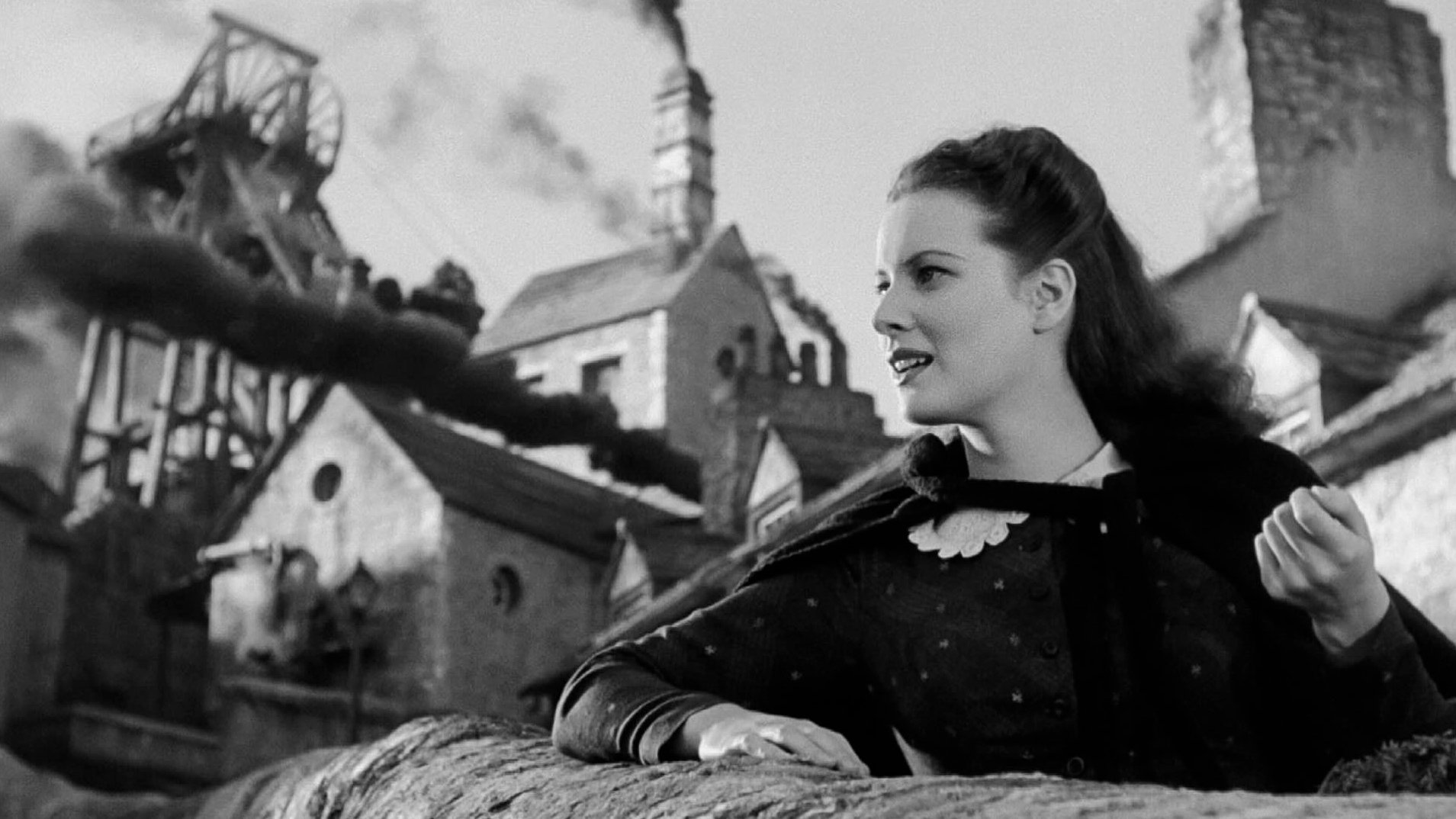
This season centres on the key middle period of Ford’s career. It includes the two extraordinary literary adaptations for which he won back-to-back Oscars – The Grapes of Wrath (1940) and How Green Was My Valley (1941, beating Welles for Citizen Kane) – his profound meditation on the early life of the most mythologised of American presidents, Young Mr. Lincoln (1939), and two of the most incisive and critically revisionist works that characterise the fascinating last phase of his career, Sergeant Rutledge (1960) and 7 Women (1965).
Rounding out the season – and year – is what many consider the best of his surviving silent films, the wonderfully entertaining 3 Bad Men (1926).
Films in this program
There are no upcoming related events at this time.
About Melbourne Cinémathèque
Australia's longest-running film society, Melbourne Cinémathèque screens significant works of international cinema in the medium they were created, the way they would have originally screened.
Melbourne Cinémathèque is self-administered, volunteer-run, not-for-profit and membership-driven.

Join our newsletter
Be the first to hear about upcoming exhibitions, films, events and special offers.