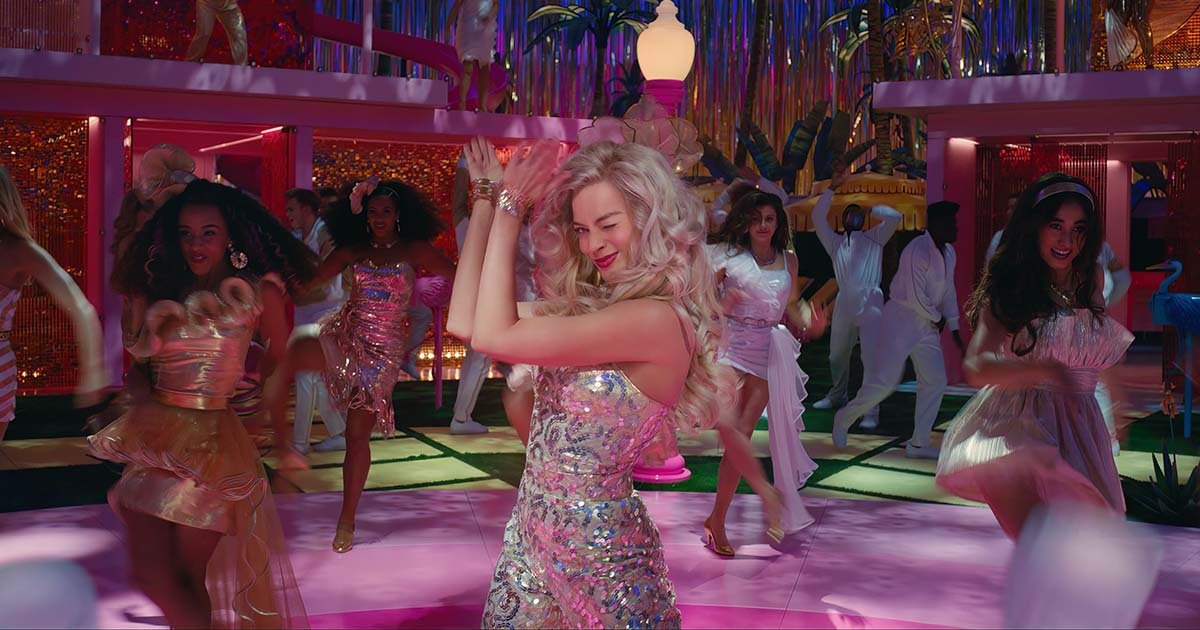
Barbie learning resource
If you love Barbie, this movie is for you. If you hate Barbie, this movie is for you.
Barbie tells a story about Mattel’s iconic toy (in its many forms) and the artificial but seemingly perfect world in which she exists. A trip to the real world brings both Barbie and Ken face to face with ideas that contradict what they believe, causing them to grapple with and explore their identities, as they journey towards self-discovery and a deeper understanding of their true purpose.
In creating this hugely successful film, co-writer and director Greta Gerwig has leaned into the doll's contradictory identity to build interest and connect with a wide range of themes, ideas and perspectives. This approach makes Barbie a captivating text to explore together as a class.
Year levels: 7 – 11
Learning areas: Media and English
Curriculum links
About
This resource is written by Victoria Giummarra and features questions and activities that focus on how meaning is created in Barbie. Students are asked to consider the expression of beliefs and attitudes and how these reflect the context and values of the film’s production.
The activities have been designed to increase in complexity in each section and within the resource overall as it progresses, in order to cater to different year levels.
You will find a glossary of key terms below.
Before watching
The first Barbie doll was released in 1959, 64 years before the film premiered in cinemas.
- Research Barbie’s origins, including who created her and why.
- Barbie (the doll) could be described as a cultural icon. What does this mean? Who or what else in contemporary society would this title also be relevant for?
- The Barbie doll may be iconic but it is also controversial. What are some of the objections raised about the Barbie doll, and its popularity as a toy for children?
- A number of trailers were released in the lead up to the film’s opening, offering audiences hints about how the film might eventually look, sound and feel. The main trailer includes the catchphrase: “If you love Barbie, this movie is for you. If you hate Barbie, this movie is for you.” What does this tell prospective viewers about the target audience? And what does it suggest about the film's intentions and approach to its subject?
- Barbie was classified PG when released in Australian cinemas. Why might achieving this classification have been an important consideration in the creation of the film?
- What do the teaser trailer and main trailer (below) suggest about the film’s story and possible genre
WATCH: teaser trailer
Watch: main trailer
After watching
Reading and responding
- Engagement refers to how audiences are affected by a text. Note down your own response to the film. Who was your favourite character and why? Which scenes did you most enjoy? Which ones stand out in your memory? What didn’t you enjoy about the film and why? Refer to both story elements and technical aspects in your response.
- Find two reviews online that provide some contradictory opinions about the film (aim to use reputable sites and sources, such as well-known film and entertainment publications like Variety or The Guardian rather than public fan forums). Highlight or note down both the positive and critical comments shared by the review writers, using direct quotes. Share these with classmates and discuss to what extent you agree or disagree with these opinions.
Analysing Representations
Barbie changed everything. Then she changed it all again…She might have started out as just a lady in a bathing suit but she became so much more.
There are many carefully constructed portrayals of individuals, groups, places and ideas within Barbie. Each representation has been shaped by deliberate choices during the writing and production of the film.
The Barbies
At the beginning of the film, the narrator (voiced by actor Helen Mirren) tells the audience that both Barbie and women “can be anything”:
- The protagonist of Barbie is 'stereotypical Barbie'. What does this mean? Explain what qualities make this character stereotypical. How does she change over time?
- Stereotypical Barbie is just one of many Barbies. List five or more of the different ways that Barbie is portrayed in the film.
- For each version of Barbie you listed, mention a technical element (such as acting/casting, camera work, colours, costuming, sound etc.) that was used in shaping the representation we see on screen.
- Why is portraying Barbie in a varied and inclusive manner so important for both the story and audiences? What messages does this approach convey?
Stereotypical Ken
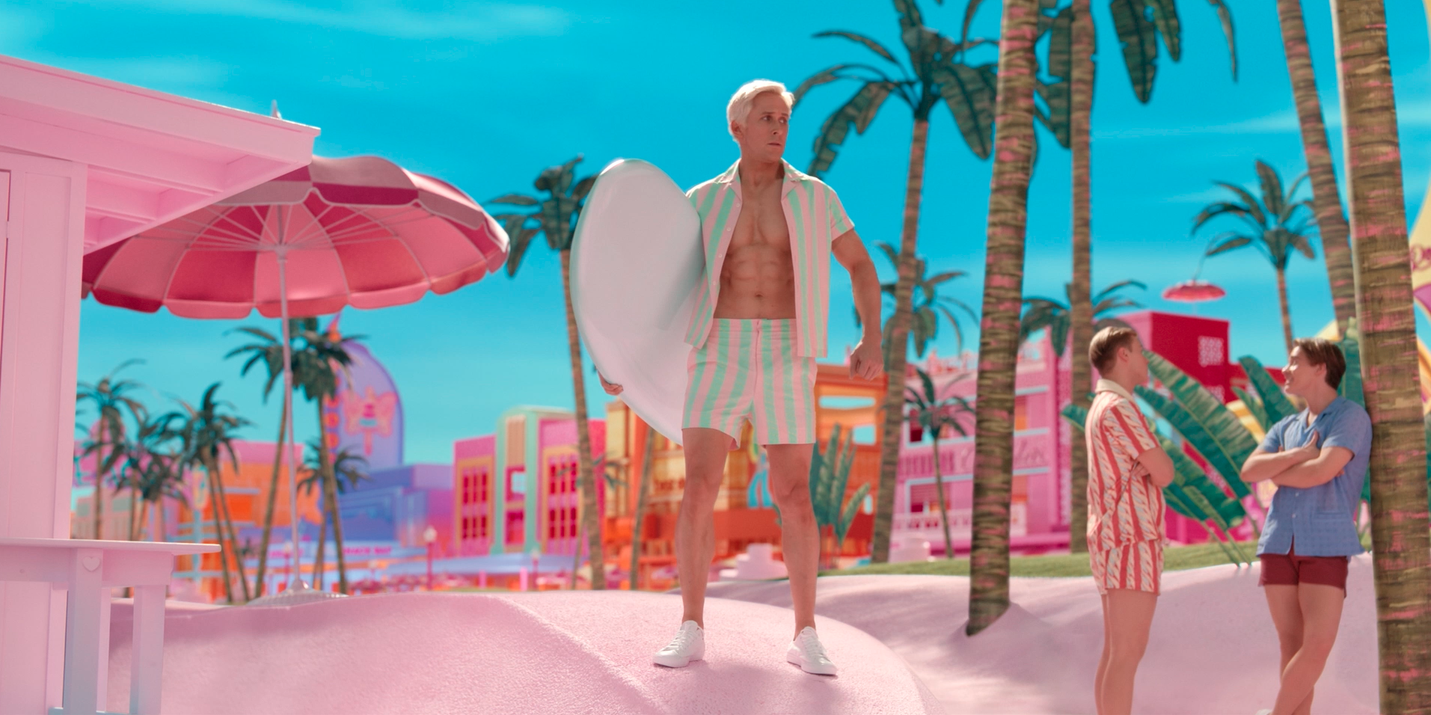
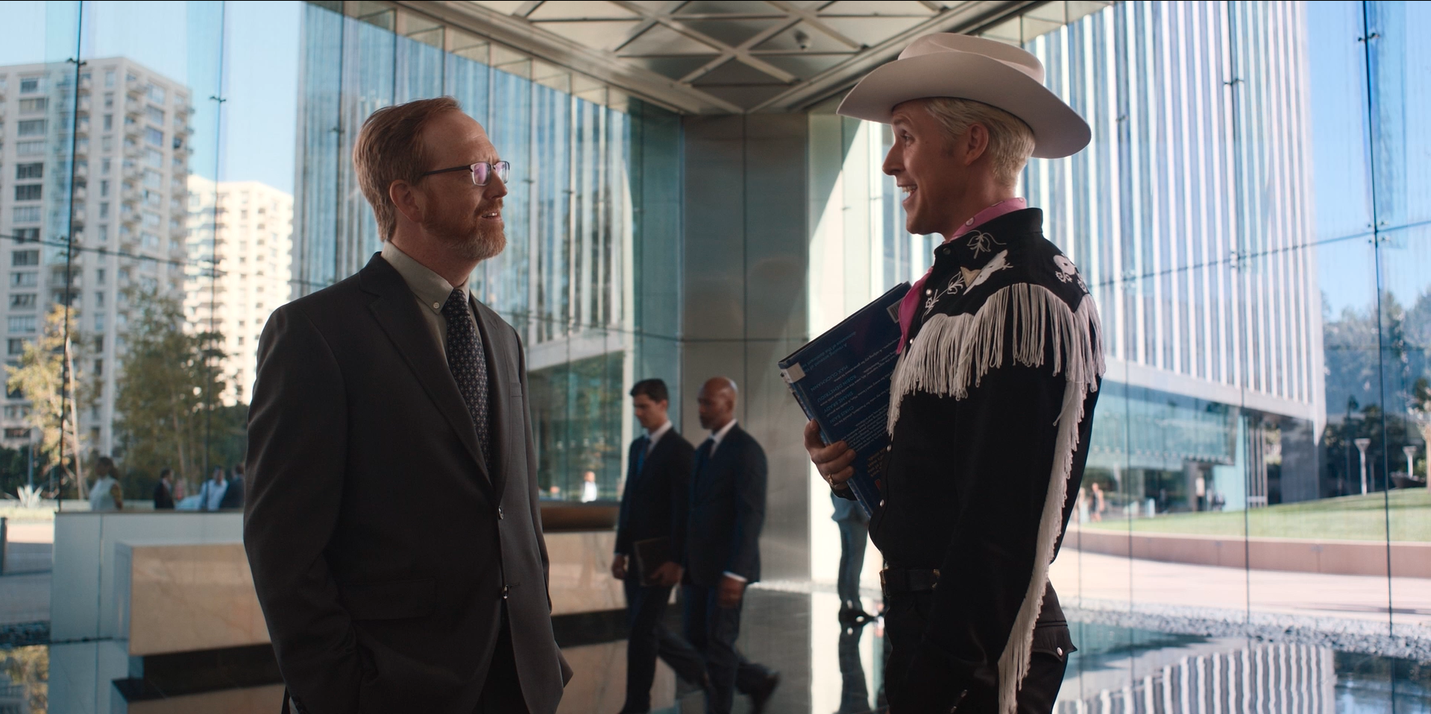
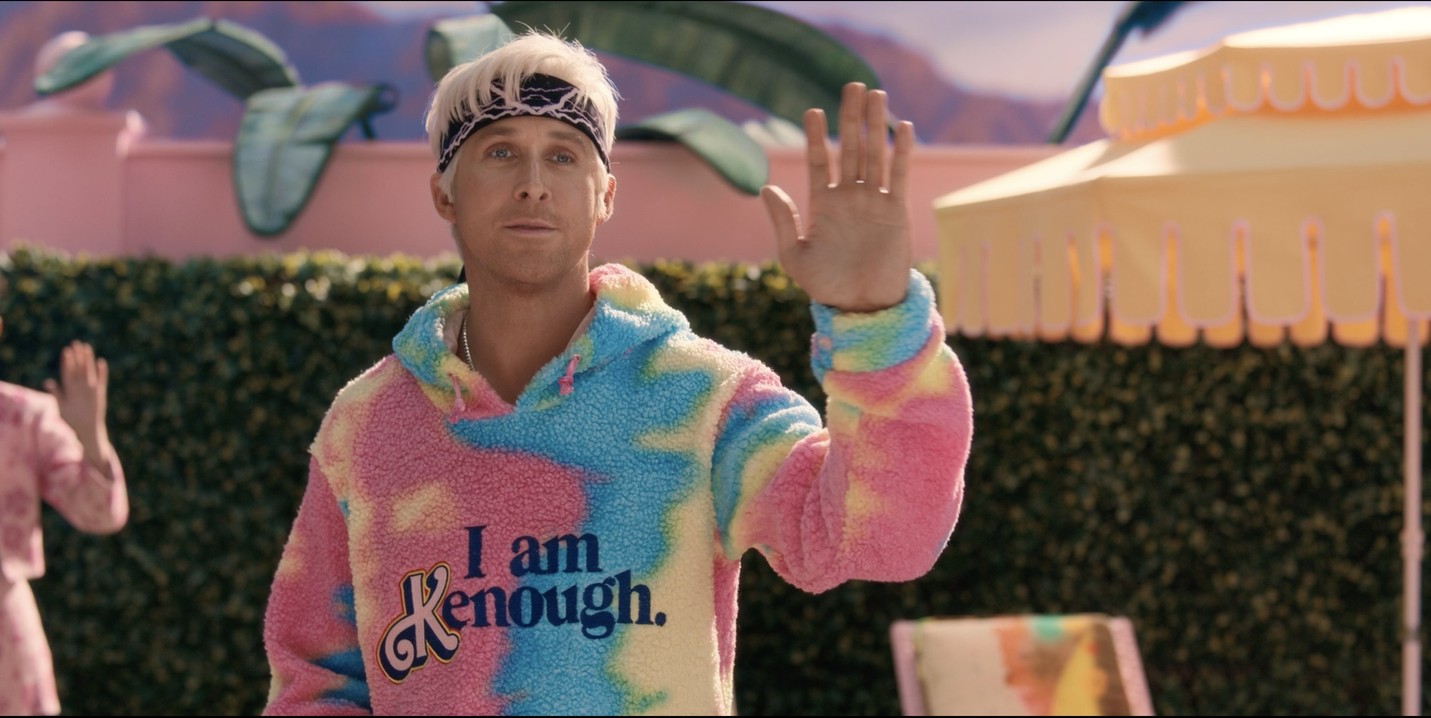
Look at the screenshots (below) that visually reflect Ken’s character arc throughout the film’s three acts.
- Analyse and annotate each image to explain the selections (what is included) and omissions (what is left out) made by the creators.
- What do these choices suggest about the development of Ken’s character?
Weird Barbie
There has been much discussion in the media and online of the characterisation of Weird Barbie and her outsider status.
- Describe Weird Barbie's hair, make up and costume. What do these elements of character design tell us about her character?
- Describe Weird Barbie's world. How is it different from Barbie Land?
- Everything in Barbie Land is fake, but weird Barbie has craft materials to create with. What point is being made about Weird Barbie's creativity and how does this make her different from the other Barbies?
- What is Weird Barbie's role in the narrative? Explain how her world functions as a link between the human world and Barbie Land.
- What does Weird Barbie's characterisation and outsider status tell us about the values underpinning Barbie Land in Act 1? How and why do these values change during Act 3?
WATCH: Weird Barbie
Barbie Land VS The Real World
- Greta Gerwig, the writer and director of Barbie, wanted to create an “authentic artificiality” for the look of Barbie Land. Why might achieving this look have been important in telling the story? Brainstorm a list of 10-15 other adjectives that also describe Barbie Land.
- Identify a song (include the song title and artist’s name) that plays during one of the early Barbie Land scenes and find its lyrics. Explain what ideas and meanings the song lyrics communicate about the Barbies, their attitudes and their world.
- The Real World looks vastly different to Barbie Land. Describe how this is created through the deliberate use of mise en scene and lighting in the outdoor scene when Ken and Barbie first arrive there. (You can rewatch this scene below.)
- Ken discovers the Century City Centre while exploring the real world and encounters many visual symbols that represent ‘masculinity’. What does he notice, and what do these symbols suggest to Ken and the audience about the meaning of being a man?
WATCH: Ken and Barbie arrive in LA
Considering point of view and perspectives
- What did you know/think about the Barbie 'character' before watching this film? Have those perspectives on the character or product changed since watching the film? Create a collage of images or a brainstorm of words to reflect your before and after thoughts.
- Barbie presents the story from different points of view, including that of Mattel executives, whose scenes are presented with a humorous, satirical tone. Working in a small group, discuss how this perspective is created in this scene through technical codes such as dialogue, music, casting and acting. (You can rewatch this scene below.)
- In making Barbie, writer/director Greta Gerwig included many intertextual references to other films (you can view a comprehensive list here). Which of these did you or your classmates notice when watching Barbie? Discuss what the inclusion of intertextual references might add to the audience’s perspective on the story.
WATCH: The men at Mattel
Values, attitudes and beliefs
- Think about the Barbie doll's status as both a beloved cultural icon and a controversial toy for young children. How are these conflicting values addressed and reconciled in Barbie?
- Barbie Land presents audiences with an example of a matriarchy – a world where women rule and hold authority. Describe three ways we see beliefs or attitudes relating to female empowerment exemplified in the first act of the film.
- When Barbie returns from the real world, Ken has re-established Barbie Land as a patriarchy, altering the homes and roles of the Barbies. Discuss how the Kens' newly-discovered patriarchal beliefs change their attitude towards the Barbies, their social status and their roles. (You can rewatch this scene below.)
- In the final scenes of Barbie, after the patriarchy has been taken down and the matriarchy restored, Barbie tells Ken “You have to figure out who you are without me….maybe it’s Barbie AND it’s Ken”. In writing, summarise the ‘takeaway’ message of Barbie’s dialogue and the values it supports.
- What lesson does the characterisation and experience of Weird Barbie teach the real-world audience about inclusive values? What about Allan?
Watch: The Kens and patriarchy
Real-world contexts
Social perspectives
- Barbie has been described as a figure who "has always reflected her times". Thinking about the social context of Barbie's production, in what ways would you say the film reflects the times in which it was made?
- Barbie (the doll) has been described as ‘proto-feminist’. Research what this term means and explain how this relates to the historical context of Barbie’s creation. Accompany your research with some images that support the ideas explored.
- Barbie director and co-writer Greta Gerwig describes Barbie as feminist film. What is your understanding of the goals of feminism? Research the main ideas of contemporary feminism and find examples of how these ideas are reflected in the film. Why do you think Gloria's speech has made such an impact? (You can watch Gloria's speech below.) Can you find examples in the Barbie narrative that undermine or contradict contemporary feminist ideas? Explain.
- The release of Barbie sparked a great deal of debate and discussion across a range of media sites. Many of the debates related to the feminist message, with some arguing the film was dismissive of men's rights, while others felt the film trivialised the aims of feminism. In groups, do some research to learn a bit more about the different points of view this film generated. Discuss what these diverse opinions reveal about contemporary American society and share with the rest of the class.
Watch: Gloria's speech
Marketing Barbie
For contemporary films, fandoms can play a large role in determining their success. The marketing of Barbie cost $150 million - more than the budget for the film itself – and involved Mattel signing partnerships with 100 brands (read about some examples here).
WATCH: Marketing Barbie
- As a class, discuss how the marketing strategies revealed in the video helped to build an audience for the film and consider the appeal of such an approach. Were you or your classmates also caught up in the Barbie-core hype?
- The Barbie film was initiated and partly financed by Mattel – the company making the toy. After record-low sales of Barbies in the mid 2010s, their incentive was to create a ‘cinematic universe’ that would help revitalise the product – and it worked! Explore how capitalist or consumerist messaging is included in the film, either explicitly (obviously) or implicitly (subtly).