The evolution of Australian television
Recommended for Years 9 and 10
Learning area: History
Learning focus: Globalising World -- Popular culture
Television and popular culture
Good evening and welcome to television
Television played a huge role in creating an Australian popular culture woven out of global and local influences. While our focus is on the huge influence of television in the second half of the twentieth century, it is important to be aware of how television fits into the wider landscape of popular culture since 1945.
Key Questions:
- What is popular culture?
- What role has television played in the development and identity of Australian popular culture?
- How has television impacted, influenced and been influenced by other forms of popular culture?
- How has the Australian TV industry evolved over time?.
- How has television impacted society from the beginning of broadcasting to the present?
- How has Australian TV been influenced by imported programs, systems and technologies?
- How has Australia contributed to an international/globalised television culture?
Defining popular culture
Popular culture consists of the aspects of attitudes, behaviors, beliefs, customs, and tastes that define the people of any society
We generally think of popular culture in terms of the things that lots of people enjoy such as popular music, film, television, radio, sport, videogames, comic books and social media. These things change over time, and there are many reasons for these changes, including changes in technology, leisure time and taste.
Questions and activities
- What is culture? Discuss as a class and come up with a definition and some examples.
- What things would you describe as popular culture? Write down everything you can think of.
- In groups, share pop culture lists and note what is similar and what is different in your responses.
- Explore how popular culture has changed over time by completing this survey from the National Museum of Australia. (Note: because you are tracking generational shifts you need to ask a parent/guardian of middle-age and a grandparent or older adult to complete it with you.) Analyse your results. List some of your key findings. Draw a Venn diagram illustrating the results obtained from your three subjects and where they connect and diverge.
Australian TV timeline
1941–1956 Australia slowly gets ready for the arrival of TV
Jan 1953 The Broadcasting Act 1948 is amended to allow for commercial TV licences. This paved the way for Australia's dual system of commercial and government-financed TV stations.
1953-1954 Royal Commission on Television -- established to report on matters such as the number of national commercial television stations which could be effectively established and operated and the standards to be observed in programs to ensure the best use of television broadcasting in the public interest.
Sep 1956 “Good evening and welcome to television” -- TCN-9 in Sydney launches regular programming. This has become the moment that marks the beginning of Australian TV, but the establishment of TV was a gradual process not a single event.
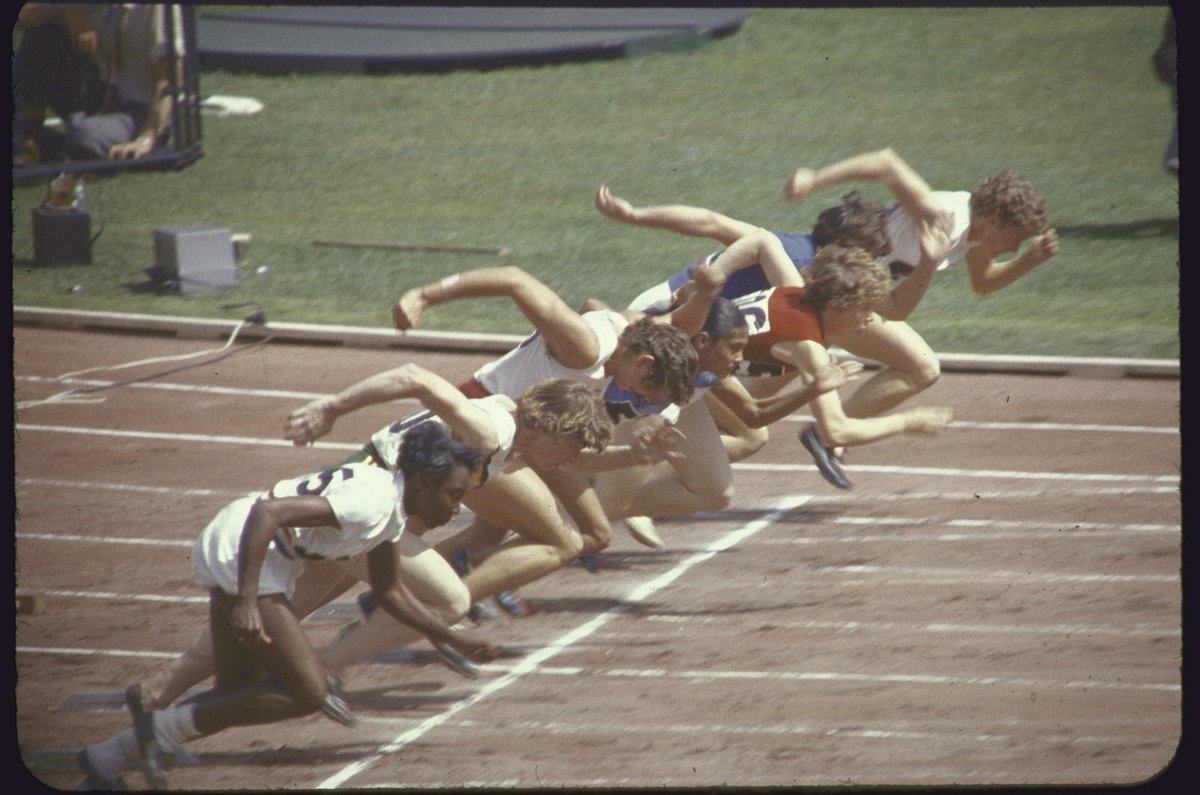
Nov 1956 Melbourne TV stations are launched in time to broadcast the Melbourne Olympics.
Dec 1956 ATN-7 in Sydney broadcast Australia's first variety-style Tonight Show -- Sydney Tonight. Cheap to produce and broadcast live, variety shows featuring singing, dancing and comedy skits were a staple of Australian TV for many years.
1959 TV broadcasting begins in Adelaide, Perth, Brisbane
1960 First Australian content quotas introduced by government
1960-66 TV broadcasting begins in Hobart, Canberra, Wollongong, Lismore, Orange, Bendigo, Shepparton, Toowoomba, Rockhampton, Wagga Wagga, Coff’s Harbour, Maryborough, Mildura, Dubbo, Tamworth, Griffith, Cairns.
Oct 1964 Premiere of Homicide, the first high rating locally-made TV drama – it was filmed in Melbourne by Crawford Productions.
Jul 1969 Australians became part of an international audience to watch the live broadcast of the moon landing via satellite.
Mar 1975 Colour broadcasting began in Australia.
1979 “C Program” classifications were introduced to ensure minimum amounts of age specific, quality children's programs on commercial television.
1980 SBS (Special Broadcasting Service) began broadcasting a culturally and linguistically diverse program to Sydney and Melbourne audiences.
1980 First commercially available Video Cassette Recorders (VCRs)
Jan 1988 Launch of Imparja – Australia's first commercial television service owned by First Nations people
1995 First subscription cable and satellite TV services
Jan 2001 Launch of digital television
Mar 2005 ABC launches digital-only channel ABC 2.
2007 Launch of NITV - Australia’s third public broadcaster
2008–2015 Rise of streaming– ABC iview is launched in 2008, followed by SBS on demand in 2011. Stan and Netflix subscription streaming services began.
2016–present Saturation of streaming market. Younger viewers choosing short format online viewing such as YouTube and TikTok videos.
Questions and activities
- Refer to the timeline for key dates relating to the arrival and evolution of TV, and then dig a bit deeper with this informative timeline. Choose two TV history highlights and find out more about each event and what makes it important.
- Refer back to your popular culture survey and connect events in the timelines with the responses of your three subjects (including your own).
- Presented in bite-sized chunks, ACMI's The Story of Australian Television is an ideal intro to Australian TV, its history and what makes it special.
- You can also check out the Old Treasury Building's history of Melbourne TV, which includes a number of informative primary sources, explore the National Museum of Australia's page on the introduction of Australian television and watch the video (below).
Introducing television
Television is going to be one of the big menaces of the future
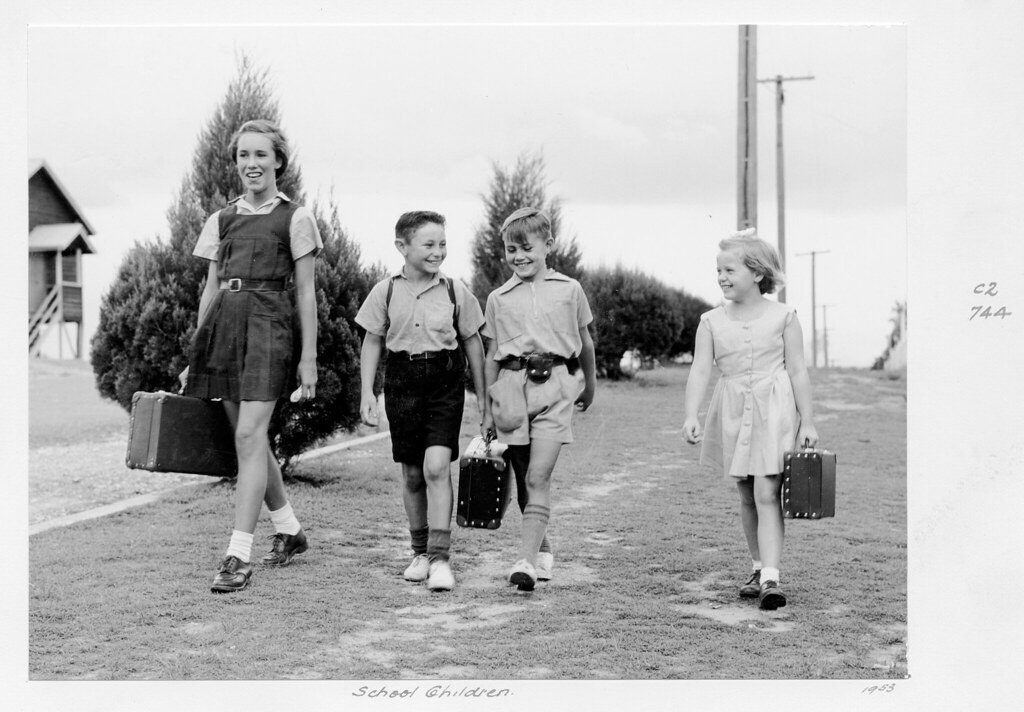
Television was introduced relatively late in Australia. Before television broadcasting began, there was a lot of concern about its impact on Australian society. Some of this concern related to fears about TV's invasion of people's homes, and the way it might affect children's homework and outdoor play. Another worry was the impact of imported programs on Australian culture and identity, particularly ones produced in the United States.
Countries such as Germany, Britain and the US experimented with television broadcasting prior to the Second World War. TV broadcasts were suspended during the war and gradually resumed when it was over. The British and US TV systems offered alternative examples of what TV broadcasting might look like in Australia.
As Australians decided what its television system might look like, they compared the British public broadcasting model and the US commercial system and were concerned that, in the US system, the need to be popular had led to a loss of quality programs. During this period, many people felt that watching programs like gameshows and sitcoms that didn't have a lot of educational value had a bad effect on viewers, particularly children.
After a lot of debate, it was decided Australia would have a dual system – we would have a national government-funded broadcaster (the ABC) and commercial stations as well. Audiences were already used to this dual model from radio. (In fact, by the time TV broadcasting began in Australia, Britain had introduced ITV, a commercial network that operated alongside the BBC.)
Questions and activities
- In her article "Television before television", Ann Curthoys writes: "there was from the beginning concern about the effects of TV, especially TV violence, on children". How does this concern about television's effect on children compare with your understanding of present-day concerns about young people and media influence? In groups, discuss and list perceived negative impacts of present-day popular media.
- Read Senator Dorothy Tangney's 1953 representation to parliament around children's use of TV. Compare her concerns with the ones that led the Australian parliament to legislate a social media ban for Australians under 16 years of age in 2024. What does the comparison suggest about how societies respond to new forms of media?
- Imagine that it is your role, as the representative of a parent organisation, to present a submission to the Royal Commission into television (1953 – 1954) stating your concerns about the impact of commercial television on the children in your home state. What arguments would you make? What evidence do you think you could use to support your argument? Download the worksheet below to help you plan your submission.
- Another concern was that commercial television would present programs of "a low cultural standard". What do you think people meant by "a low cultural standard"? When people talked about the 'quality' of a program, what do you think they meant at this time? Why did many people think commercial TV stations would be more likely to present low quality programs than a government-funded service? What does the term "quality" mean when applied to a television program in the 2020s? Share your definitions of "quality" in the present day.
Importing technologies, skills and programs
Dear Mr Packer... I’ve been emboldened enough to make arrangements, and I can go to NBC and do a course at Columbia University..
Once the decision was made to begin TV broadcasting in Melbourne and Sydney, TV licences were granted to existing media organisations, particularly successful print media companies that had the funds to invest in the new industry. These newly-licensed TV stations were required to make a substantial financial outlay to procure TV equipment and programs from overseas, particularly from the United States.
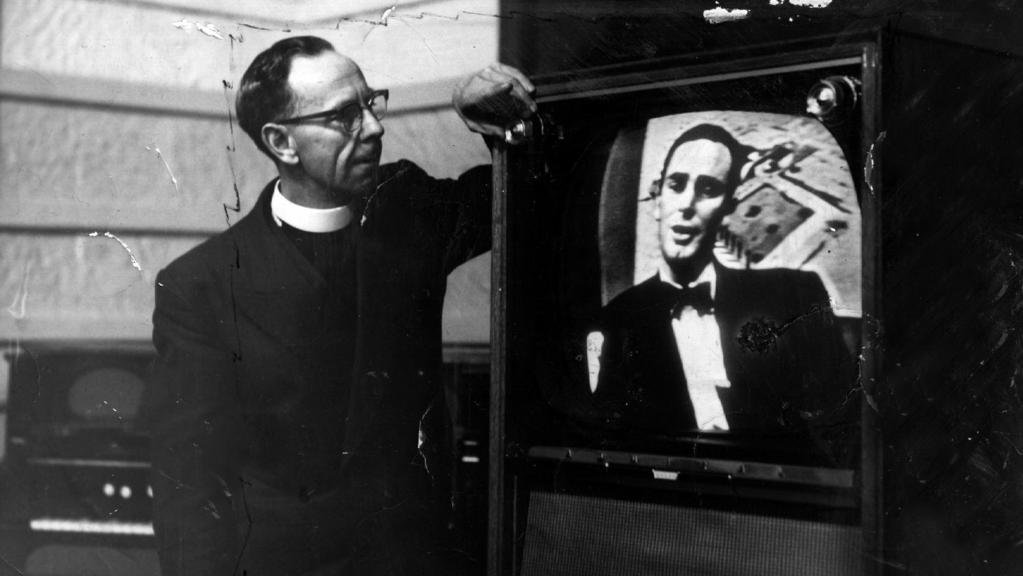
Australians were sent overseas to learn more about available technologies and to build skills, and people who had gained experience internationally were also in great demand for their expertise. This related to presenters as well as technicians.
Bruce Gyngell, along with a couple of other TCN-9 staff, trained at NBC in New York, then did work experience at WEWS Cleveland. Gyngell was not looking to be a presenter, but stepped up on the opening night of TCN-9 (actually the beginning of regular broadcasting, rather than the official opening). Molly Brownless was another person working at TCN-9 on this evening. She has not received the same attention as Gyngell, but she brought the experience she had gained working in the UK to the TCN-9 control room.
The majority of prime-time programs presented on the two commercial stations in each city were created in the United States. It was much cheaper to import programs than to create them, especially sitcoms or dramas. Locally-produced shows were generally broadcast live and included game and variety shows and the news.
Questions and activities
- Read Welcome to TV to discover how Bruce Gyngell – renowned (not quite accurately) for being the first face on Australian TV – went to the US to train in TV broadcasting. Imagine you know nothing about the introduction of TV into Australia. Create a timeline from the information you are given in this resource.
- American artists who made a name for themselves in Australian television included Tommy Hanlon Jr, Tim Evans, Evie Hayes and Bob Dyer. Research one of these personalities. Write a short biography that explains what the early Australian TV industry helped their careers and how they contributed to the industry.
- Excerpts from oral history interviews conducted by the NFSA with Molly Brownless, Margaret Cardin and Val Sarah provide insights into both the importance of experience gained in UK TV, as well as the often forgotten contribution of women to the early Australian TV industry. Why are oral histories such an important source of information about Australian TV? Why might oral histories be especially important when studying the roles of women and people from minority communities in early television?
- Watch the recording (below) of the opening night of the ABC TV channel ABN in Sydney in 1956. What evidence does it provide of the ABC fulfilling its role as an independent, non-commercial public broadcaster?
The cultural impact of television

We fear the Australian television market will be flooded with canned entertainment from overseas.
TCN-9 Sydney screened I Love Lucy (1951–1957) on its opening night in September 1956. It became one of the highest rating programs on Australian TV.
When television broadcasting was introduced in Australia, first to the major capital cities of Sydney and Melbourne and then over time across the country, television stations were location-based and depended on transmitter towers to reach a limited population area.
In these early years, Australian-made programs were produced in-house, filmed in studios and broadcast live. News, game shows, and variety shows were the cheapest formats to produce, but the prime-time television schedule featured a large array of imported programs, mostly made in Hollywood in the US. Not only were these shows popular, it was much cheaper to buy US and UK drama shows and sitcoms, which were very expensive to produce, especially without the studio infrastructure already established in Hollywood and in the UK.
Yet, Crawford Productions discovered Australian audiences did have a taste for home-grown drama, when they produced the police series Homicide (1964–1977), filmed on location in the streets of suburban Melbourne. Throughout Australian television history, there has been a place for Australian drama series, and many have been sold to overseas markets, but the cost of paying for these programs has always been an issue within the TV industry and government quotas for Australian content have always been part of the broadcasting mix. With the arrival of streaming platforms this century, discussions around Australian content have become more complex.
Questions and activities
- You can access sample TV guides on the "Classic TV" website. Have a look at some examples of prime time (after 6pm) programming in your state in the 1950s and/or 1960s. Find out about the programs in the schedule and where they were made. What do these guides tell you about the balance between Australian-made and imported programs in the schedule?
- In this short article, Kit MacFarlane takes a deep dive into a single night of TV viewing –New Years's Eve 1959. Compare this night of viewing with what TV audiences could watch on Australian TV last New Year's Eve. (One of your challenges as historians is to track that information down!) From your experience, do you think 21st Century audiences watch TV on New Year's Eve?
- In this 1964 Four Corners report, the impact of TV on radio drama production leads into a discussion of the lack of TV production in Australia. You'll need patience to watch this video, as it is very slow-going. Try sampling Hal Alexander from Actors' Equity (3.43–6.07)and Richard Lane from the Australian Radio, Television and Screenwriters Guild (10.06–11.43) and Channel 9 CEO Ken G Hall (11.43–13.15). Refer to the questions provided with this video to dig deeper into the impact of TV on radio and also of American popular culture on the Australian TV industry.
- You can find out more about Homicide and the place it holds in Australian TV culture and history from the National Film and Sound Archive (NFSA). Part of the secret of Homicide's success was how it combined the imported format of the police procedural show with recognisably Australian places, lifestyles and accents. Watch Mal Gudgeon's interview and list the key points that he makes about Homicide and Australian TV culture at the time. Would you say that today's Australian audiences have a preference for Australian-produced popular culture? Why? Why not? What has changed?
Australian TV success in the international market
At its height, Skippy was screening in 128 countries to an audience of over 300 million people each week.
There have always been social and industry concerns that television would lead to a loss of Australian culture because cheap American shows would push locally-made content out of the TV schedule. However, not only have many shows made in Australia successful been successful here in their home country, many have also been popular overseas.
The Australian TV show Skippy, the Bush Kangaroo was produced between 1966 and 1969 and, even though Australian TV was broadcast in black and white at this time, the show was filmed in colour with a view to overseas sales. This was a successful approach as the show was sold to 128 countries and dubbed into 25 languages. The producers successfully created a hit family TV show that could be enjoyed by both Australian and international audiences. You can find out more about Skippy and get a taste of the show's special magic here.
Over time, programs such as The Flying Doctors (1986–1992), McLeod's Daughters (2001–2008) and Neighbours (1985–2022; 2023–2025) also found success with overseas viewers. The video (below) from Screen Australia celebrates this success.
Within the global screen production industry in the present day and as a result of the rise of streaming, Australian-made programs are doing particularly well. Bluey has become one of the most watch programs in the world, and Heartbreak High made a major impact when it was released on Netflix in 2022 and captivated viewers in "Egypt, Saudi Arabia, Iceland, Guadeloupe and 37 other countries".
Questions and activities
- Find out about other Australian programs that have been successful overseas. Read this article to learn more. Choose one and provide three possible reasons for the program's international appeal. Watch the video (below) for some inspiration.
- How does Australia function in the international production industry we see today? Read the case for Hollywood down-under and the case against. What are the key points made in each argument? Which do you find the most powerful?
- Compare concerns in the early TV industry with what is happening in the present. Create a visual diagram to represent your findings about what is different and what has stayed the same.
- What are some of the impacts of the arrival of streaming services? In what way do these impacts link with earlier problems faced by the Australian screen industry and how are they different? Read this 2024 article (and others you can find) about the government response to this issue.
TV and everyday life
Television can be a tremendous window opening up the lives of the people– or it can be merely a drug.
Once Australian television broadcasting began in Sydney and Melbourne in 1956, it slowly rolled out in other capital cities and then in regional areas. It quickly became the most popular form of entertainment and family pastime. Television sets were very expensive, but a decade after television broadcasting began in Melbourne, 90 percent of households owned a TV. Find out more here.
- Television made a huge impact on everyday life in Australian society:
- family routines, including mealtimes, were adjusted to fit in with the TV schedule
- people started going to bed much later
- radio was no longer the central source of home entertainment with radio dramas no longer being produced
- local cinemas and dance halls closed because people stayed home to watch TV
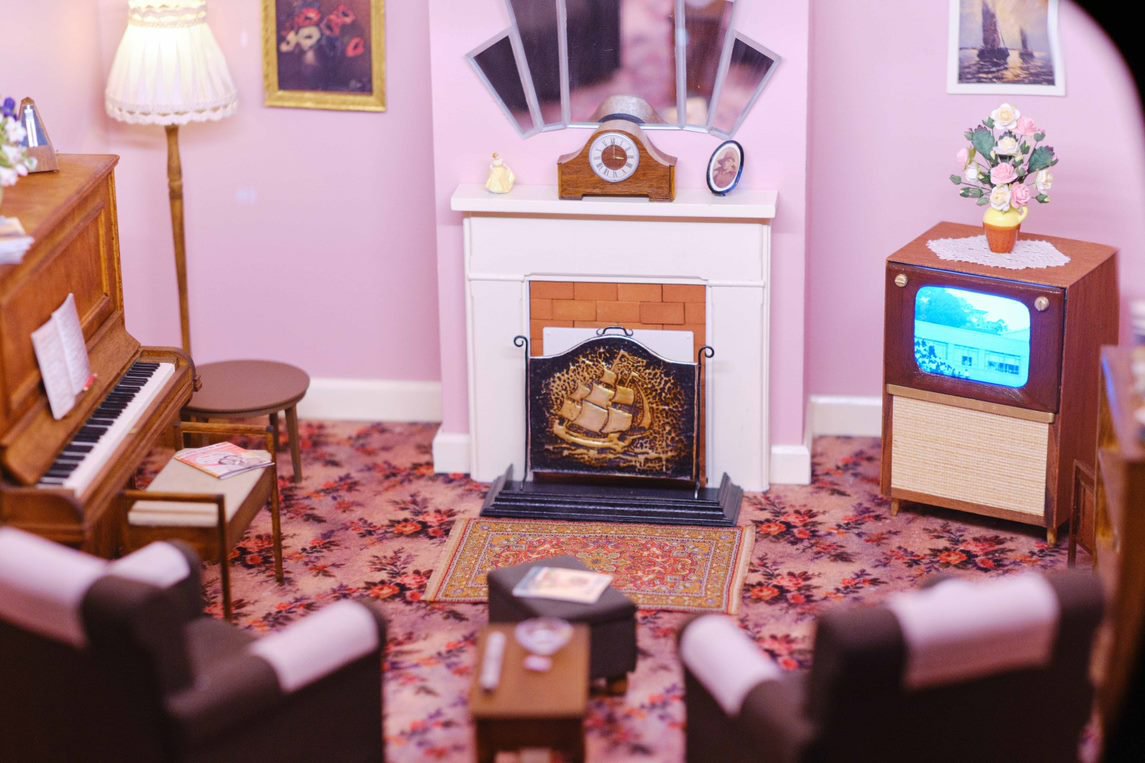
- pianos disappeared from living rooms to make room for TV
- new products were marketed with the TV audience in mind
- people had a new way of connecting with each other – over what they had watched the night before
- the nightly TV news service brought the outside world into peoples' homes
Questions and activities
- Watch the video (above) about a family that held out until 1975 to buy a television.
- Are you surprised this item was considered worth reporting? Do you think audiences at the time would have been interested in hearing about this family's changing relationship with TV? Why or why not? Give reasons.
- What are the key reasons this family had avoided television for so long? How did their experience of having a TV in the house prove or disprove their beliefs about TV's impact on family life?
- Think about the family's concerns about the impact of TV on children. What forms of popular entertainment have a similar impact in the present day?
- Compare the 1975 report, with this BTN report made in 2023 about gaming addiction. What are the similarities and differences between these two reports? Use the worksheet below to guide your response.
The social role of television
An ACMI reproduction of the iconic Countdown sign
During the 20th century, free-to-air television played a pivotal role in shaping Australia's social and cultural landscape, connecting people through shared viewing experiences. Initially TV was local, with capital cities and regionaI areas having different schedules and some different content. In the first decade of broadcasting, one of the highest rating and most talked-about programs was the evening variety show In Melbourne Tonight (1957–1970) helmed by Graeme Kennedy. Efforts to export Kennedy's idiosyncratic magic to Sydney were mostly unsuccessful.
Nevertheless, TV played a significant role in bringing Australians together. Because viewing choices were limited, people could draw on shared TV cultural references relating to both international and locally produced programs. For instance, Countdown (1974–1987) was an incredibly successful program that showcased Australian and international popular music acts and was watched across generations, providing a shared topic of conversation. It would be rare to find an Australian over 60 years old who could not remember this influential show.
Television also played a major role in communicating news and information and in bringing people together to witness significant events such as the moon landing (1969), Gough Whitlam's statement on the parliament steps after the dismissal of his government (1975), and Princess Diana's wedding (1981) and funeral (1987).
Even in the 21st century, many significant events and moments that are shared online have originated on free-to-air TV. For example, Julia Gillard's Misogyny Speech, which was delivered in the Australian Federal Parliament, was broadcast live on TV and then reported on the TV news. This speech was voted by Guardian readers to be the most memorable TV moment of all time.
Questions and activities
Some embedded content has been omitted:
Julia Gillard misogyny speech voted most unforgettable Australian TV moment: watch in full by Guardian News
View here: https://youtu.be/fCNuPcf8L00