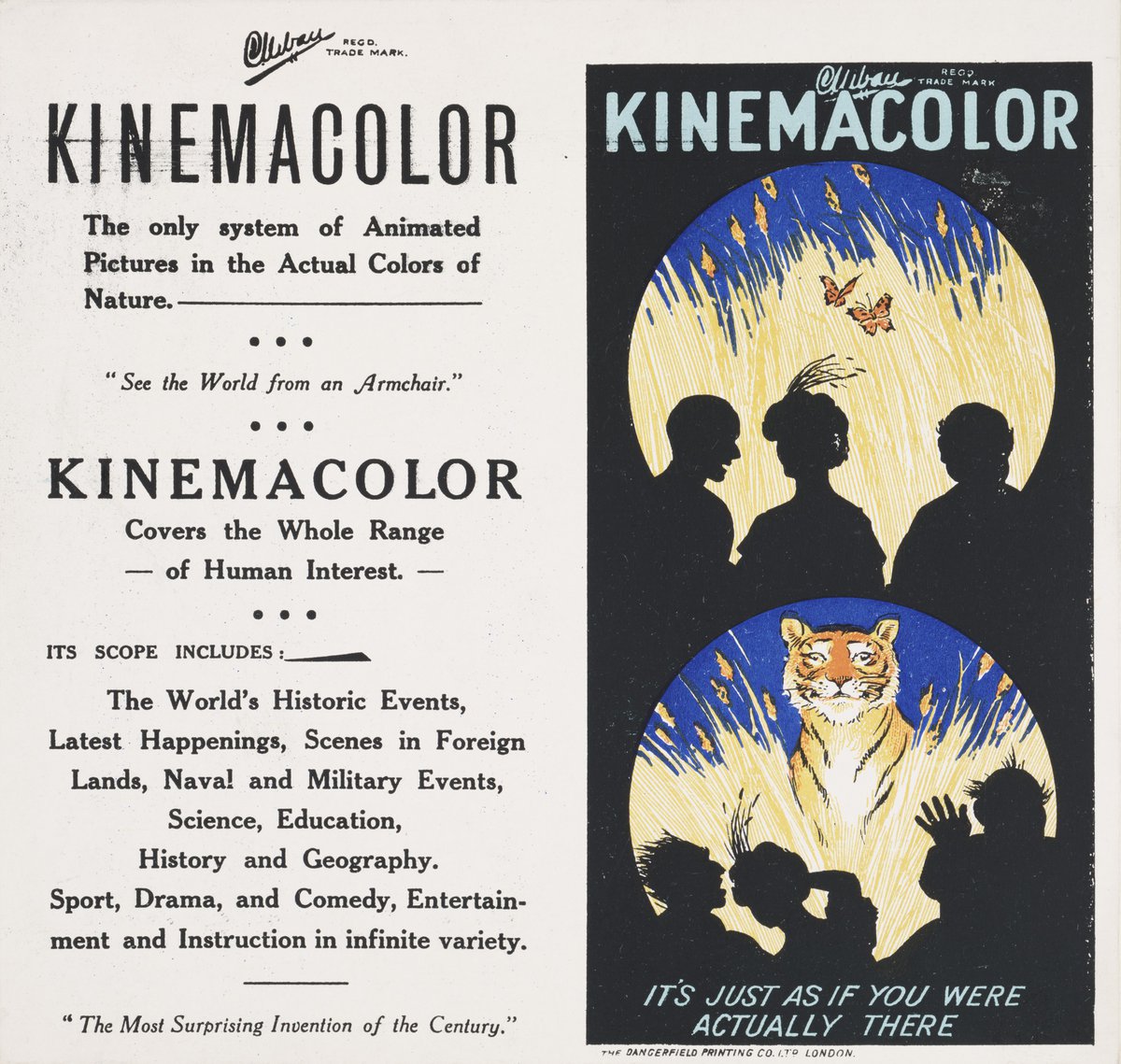
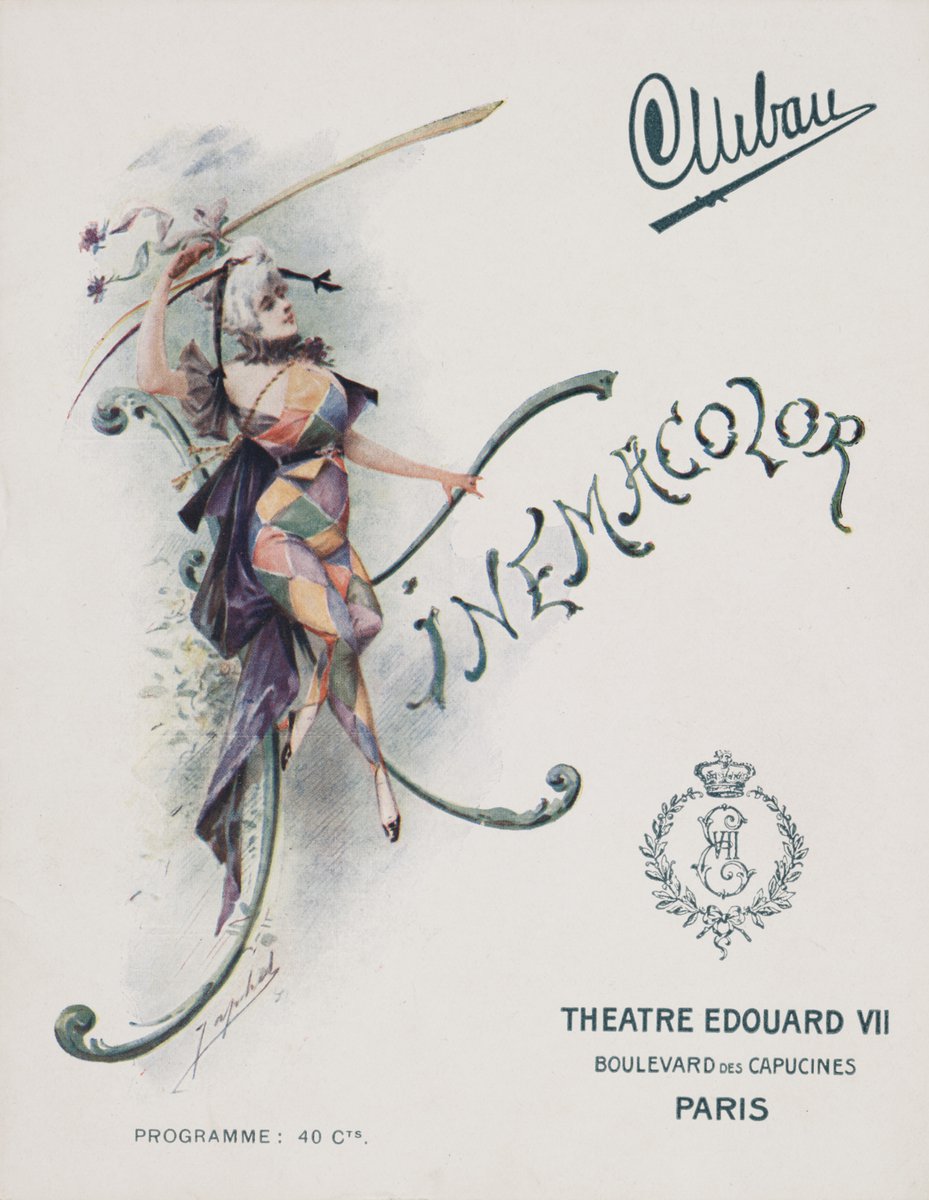
Kinemacolor was the most successful process for colouring early cinema. Invented in 1906 by film pioneer George Albert Smith, it achieved the illusion of colour by capturing and projecting black-and-white film through alternating red and green filters. The first Kinemacolor motion picture ever filmed was A Visit to the Seaside (1908), and the first public screenings were held in London a year later. During the height of its popularity, more than 260 films were made with Kinemacolor and exhibited across Europe and the United States in over 250 venues.
Collection
Not in ACMI's collection
On display until
16 February 2031
ACMI: Gallery 1
Collection metadata
ACMI Identifier
Curatorial section
The Story of the Moving Image → Moving Pictures → MI-05. Sound and Colour → MI-05-C03