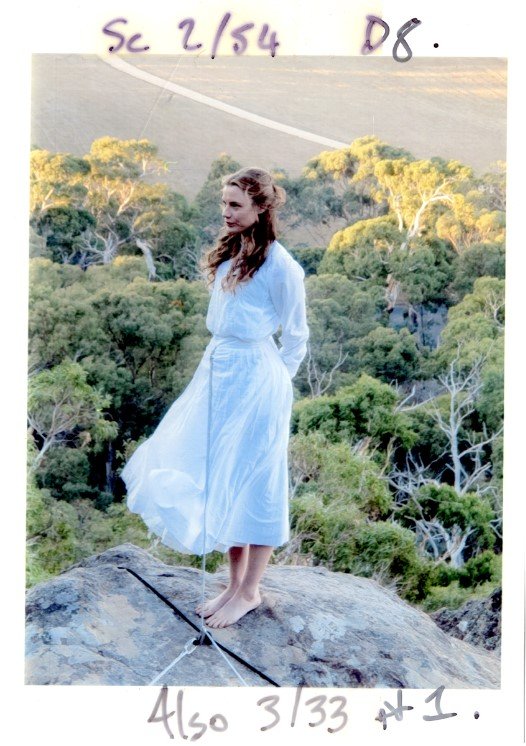
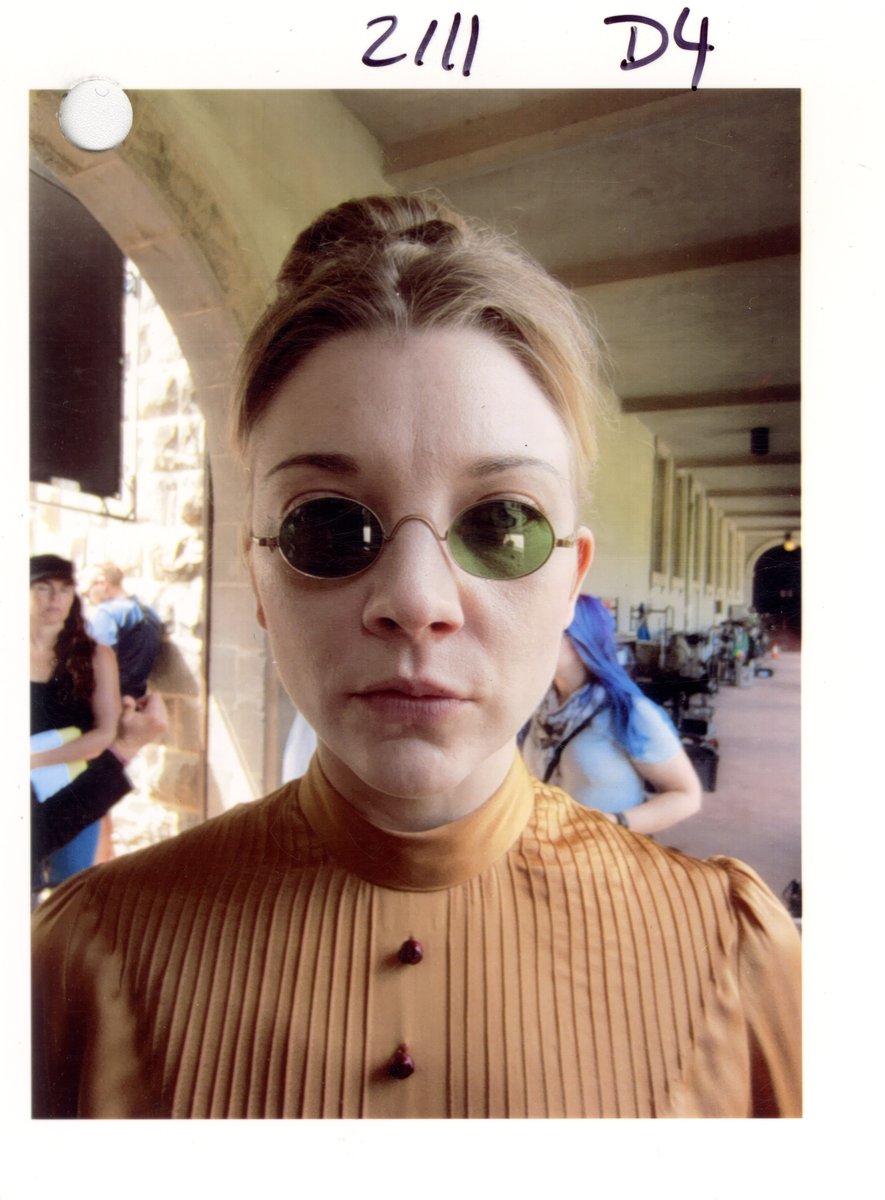
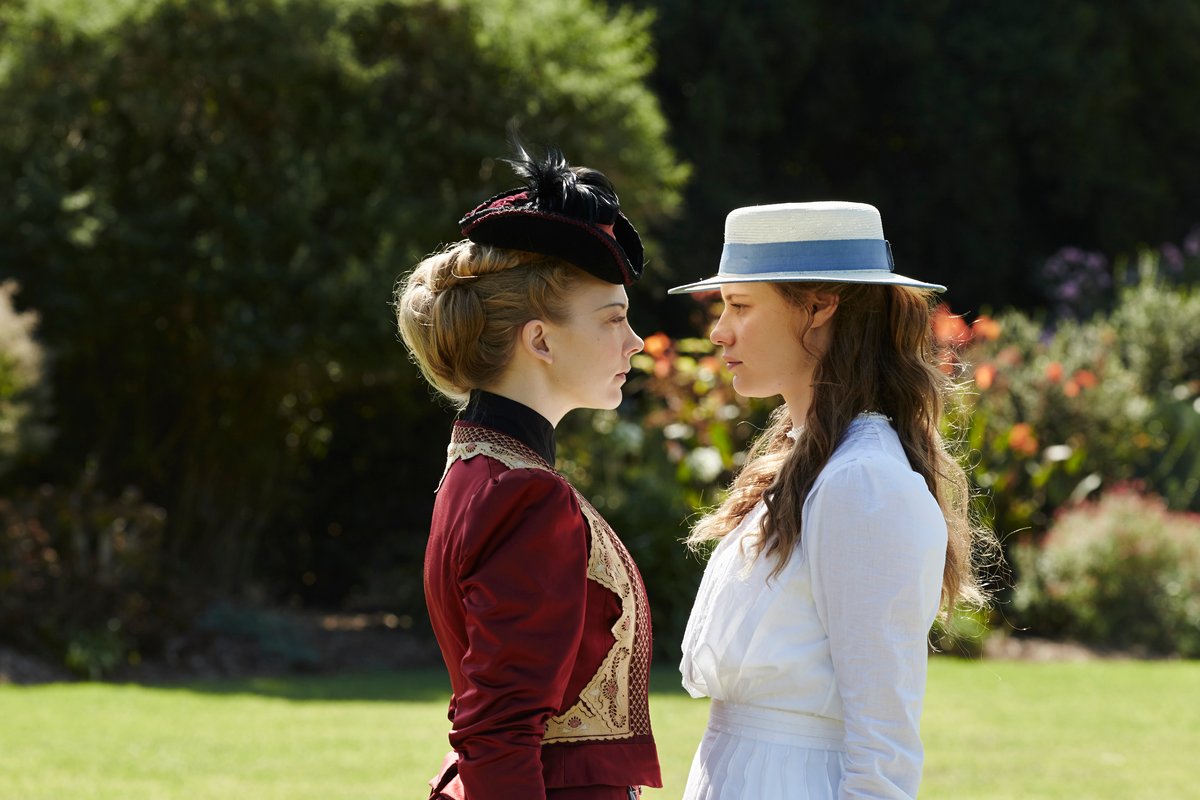
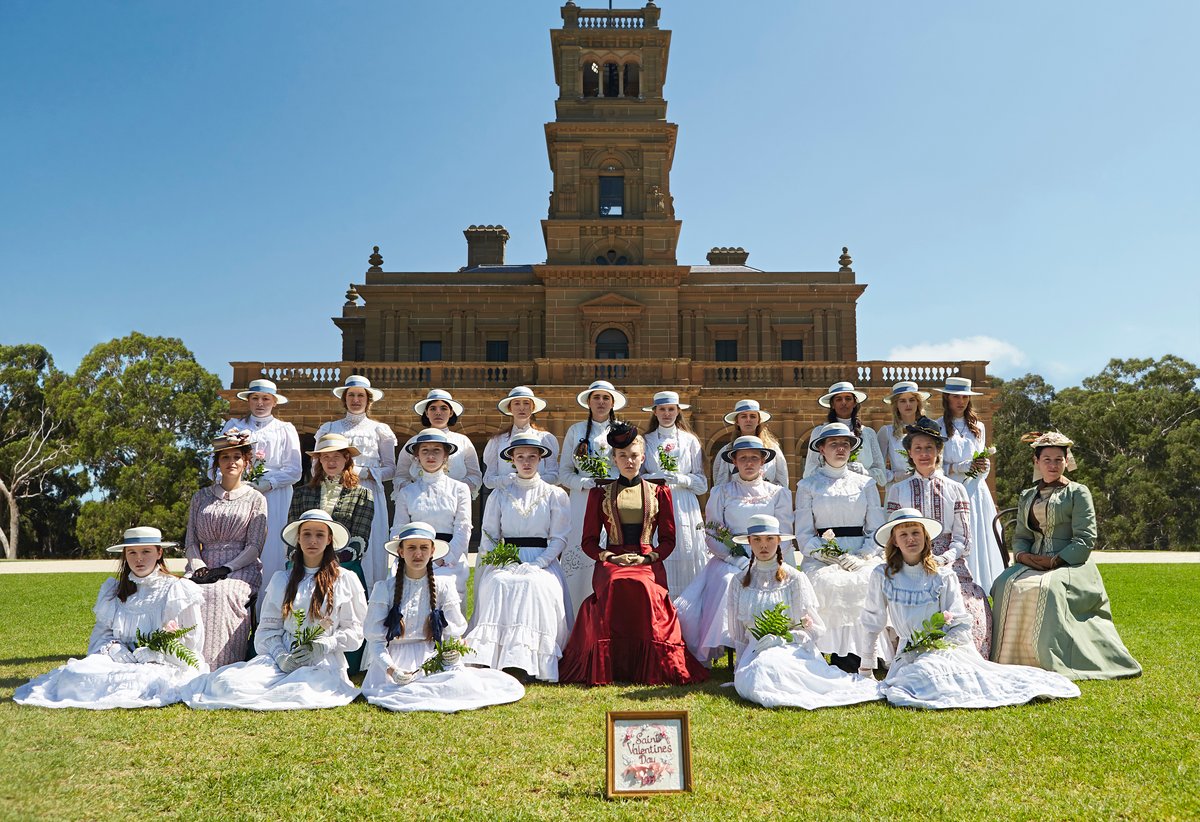
Picnic at Hanging Rock opens with Mrs Appleyard (Natalie Dormer) touring a sprawling, opulent mansion. Dressed in black and juxtaposed against the bright spaces, she embodies the story’s haunting quality. The TV remake of the 1970s film reframes the mysterious disappearance of four girls on Valentine’s Day through Mrs Appleyard’s perspective. As the head mistress of a prestigious school, housed in a 19th-century mansion on the edge of the Australian bush, she’s responsible for their care. The objects displayed here hint at her unexplained past: the sunglasses represent how she hides her true self and the letters reveal the fabricated story behind her name.
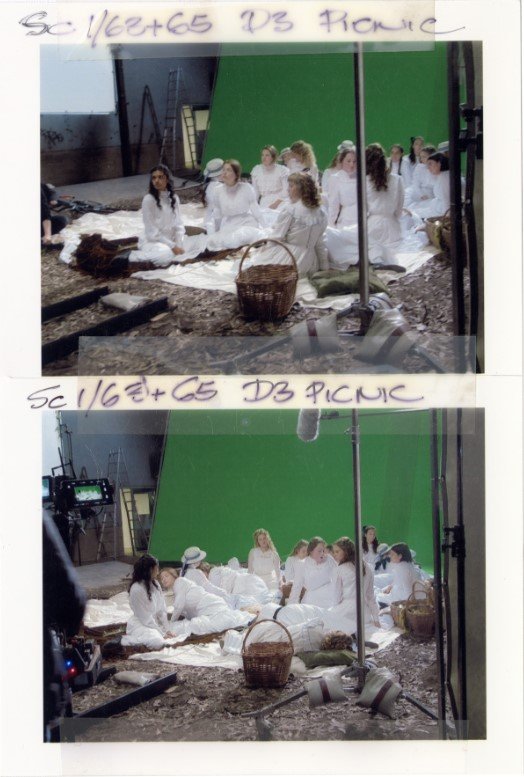
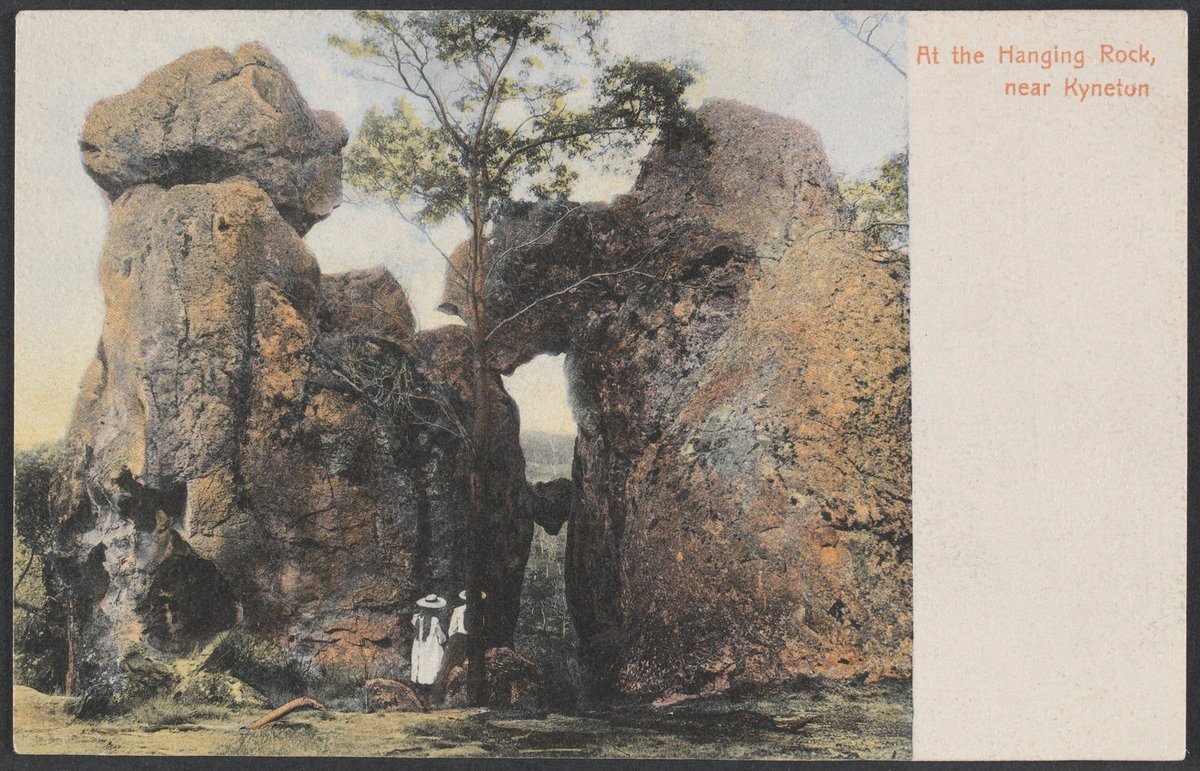
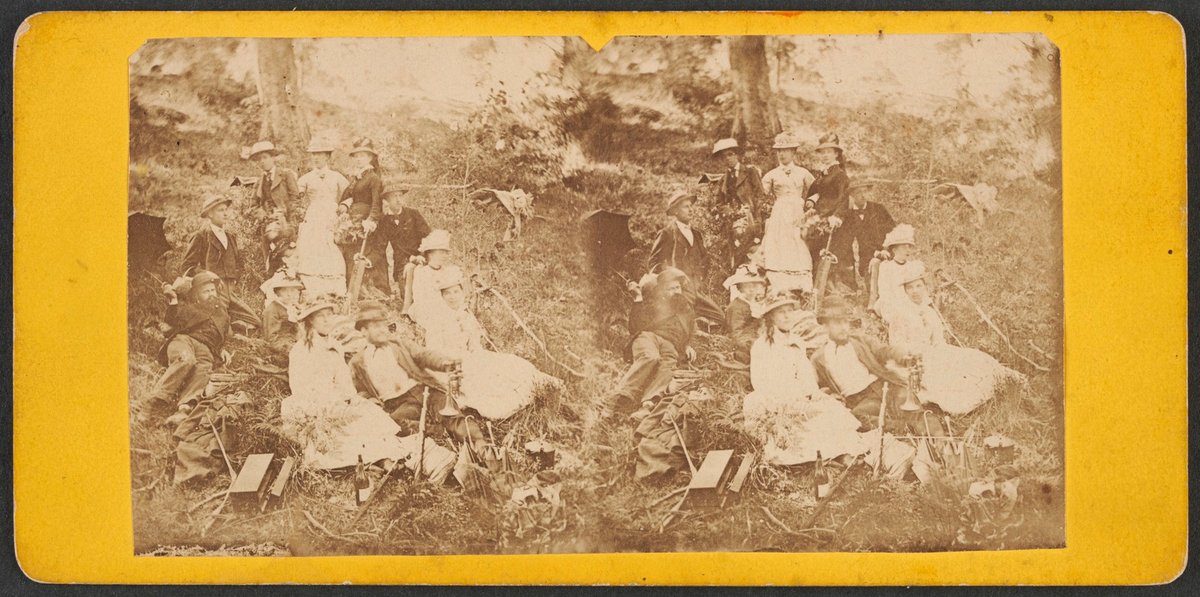
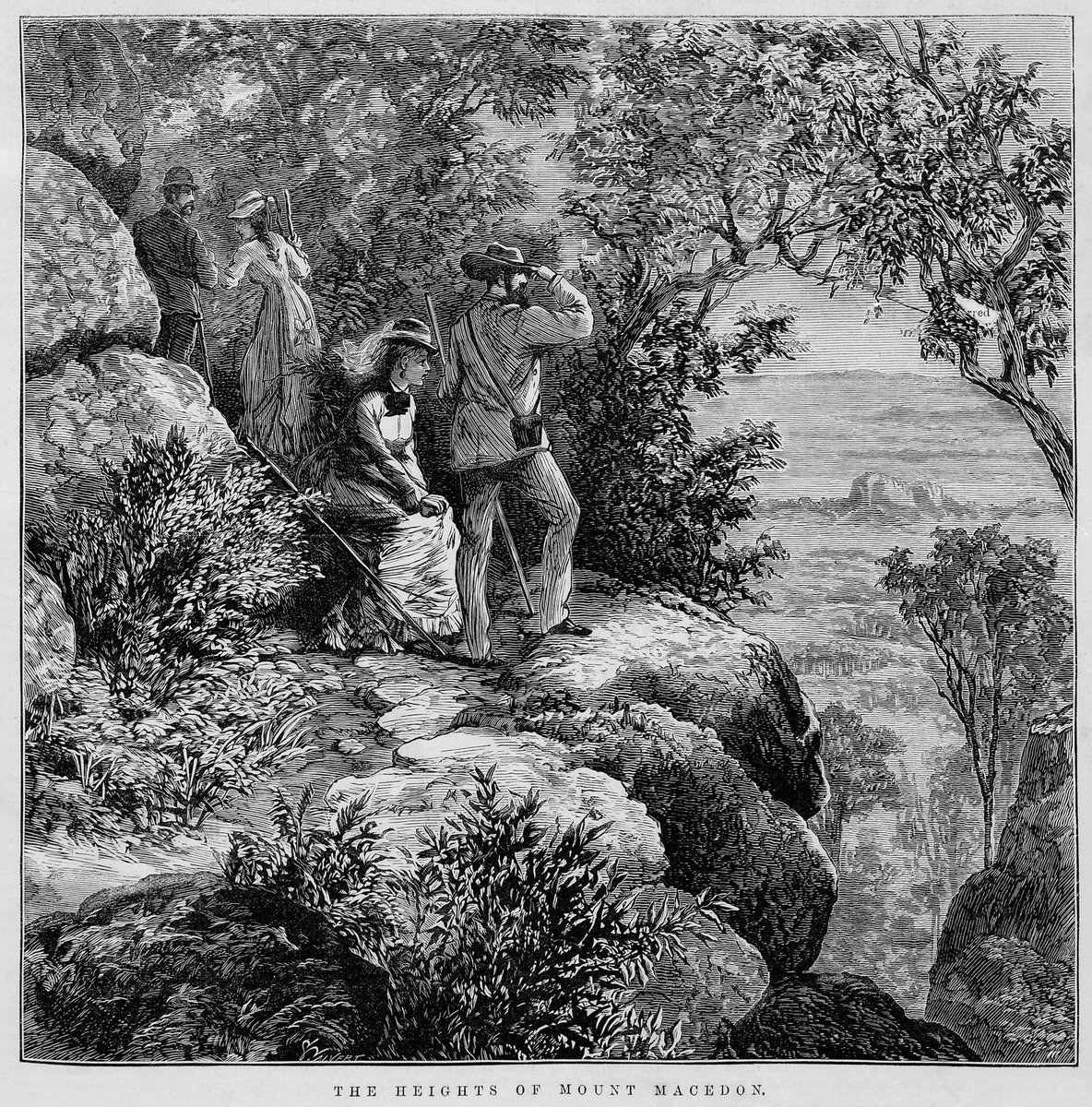
Throughout the series, the story moves between the mansion and the bush. The ornate set design, intricate props and structured costumes are in sharp contrast to the oversaturated, wildly lush landscape – in Picnic at Hanging Rock, the bush expresses the show’s mystical tone. The historic reference materials and props displayed highlight the skill of the production designers, who accurately brought this historical period in Australia to life, and are vital to immersing viewers in the world.
Works in this group
Related works
Collection
Not in ACMI's collection
Previously on display
26 November 2025
ACMI: Gallery 1
Credits
Collection metadata
ACMI Identifier
191143
Curatorial section
The Story of the Moving Image → Moving Worlds → MW-03. Production Design → MW-03-C01