The Holdovers - Producing the film
Mise-en-scène
To understand how The Holdovers creates a 1970s ‘look’ and ‘feel’, it is important to analyse the film’s mise-en-scène. Mise-en-scène refers to everything placed in front of the camera, including setting, costume, props, lighting, and the arrangement of actors within the frame. In period films, these elements play a crucial role in establishing historical authenticity and immersing audiences in a particular time and place.
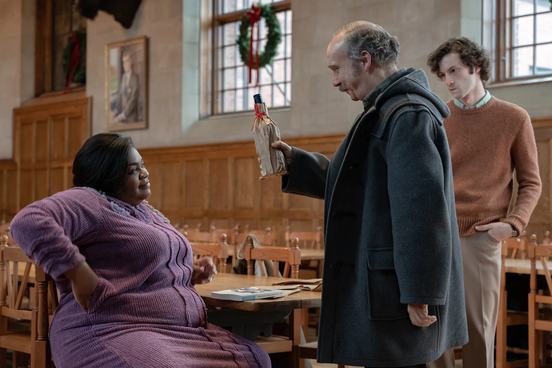
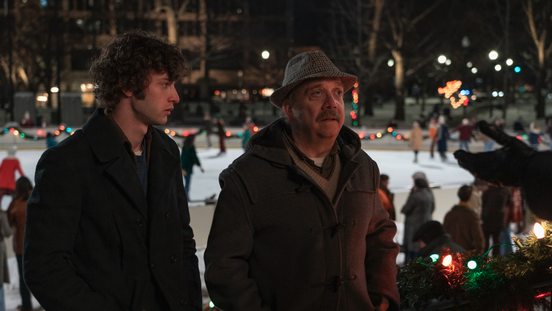
In The Holdovers, the filmmakers carefully reconstructed the world of 1970 New England through locations for the boarding school, characters’ clothing and hairstyles, vehicles, and the everyday objects that appear on screen. Achieving this level of authenticity required collaboration between a range of production crew members, including costume designers, production designers, set decorators, and location scouts. By accurately recreating the visual characteristics of the period, the film strengthens audience engagement and their immersion in the world and the lives of the characters.
The Holdovers was filmed entirely in Massachusetts, in the New England region of America. Barton Academy’s interiors and exteriors were assembled from several Massachusetts schools, each chosen for buildings and spaces that had retained the authentic look and feel of the 1970s. Rather than relying on a single campus or constructing extensive sets on soundstages, the filmmakers drew on real locations whose architecture, furnishings, and textures already evoked the period. The worn textures, institutional interiors, and natural imperfections of these spaces contribute to the film’s understated realism, making Barton Academy feel like a real school rather than a manufactured historical set. These authentic environments provide the canvas for the costume, set, and prop designers, along with the hair and make-up artists, to recreate the fashions, interiors, and everyday details of 1970s America.
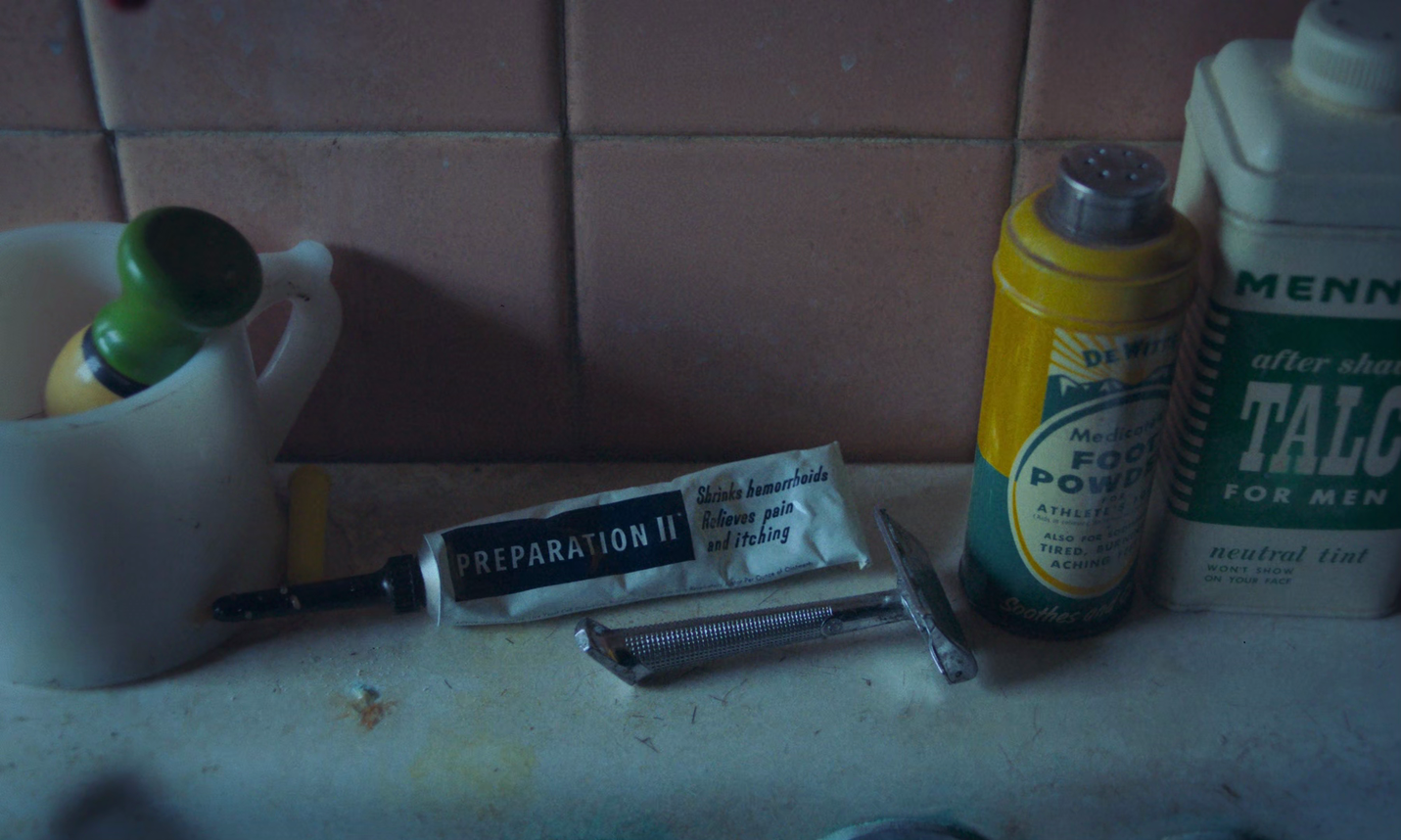
While there are numerous examples where the production design team went to lengths to source or recreate authentic items from the period, a striking example is when the camera lingers on the intimate details of Hunham’s bathroom, with personal items such as haemorrhoid cream, foot powder, razor and other personal sanitary items cluttering the area around his basin.
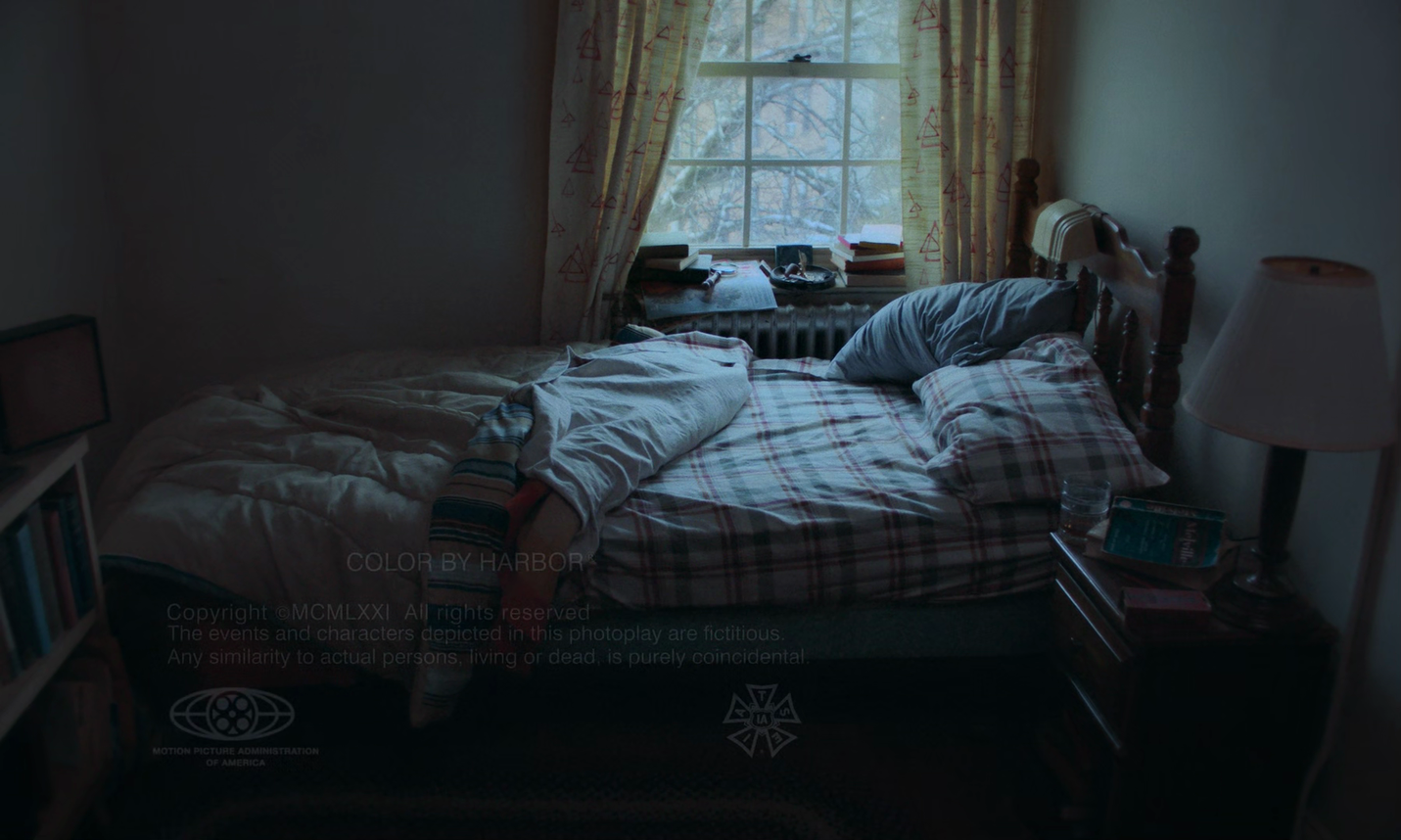
Another example can be found in the almost reverential design decisions made in creating Curtis’s bedroom. The furniture, typewriter, books and records are period specific, while the Barton school flag and mascot highlight his connection to the school. Taking pride of place is the hand painted portrait of civil rights leader Martin Luther King Jnr, who was assassinated in 1968. Curtis’s bedroom remains as a shrine to his memory, something that is reinforced by static shots that invite the audience to contemplate the traces of a life abruptly interrupted, something that is also highlighted by the one more recent addition, the folded American flag Mary would have received after her son's death.
The subdued, wistful music accompanying these shots complements the room's carefully constructed mise-en-scène, reinforcing the scene's atmosphere of grief and remembrance.
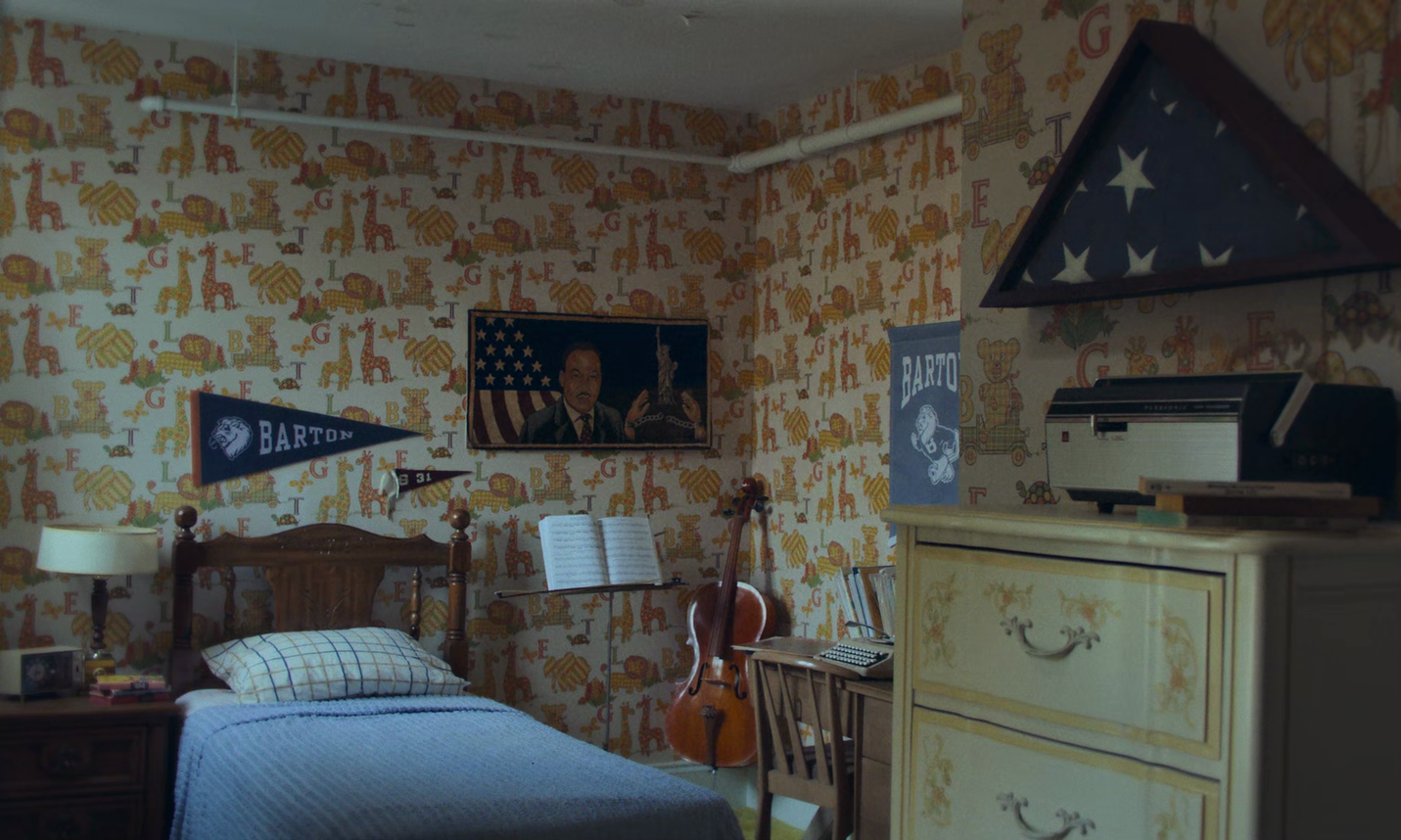
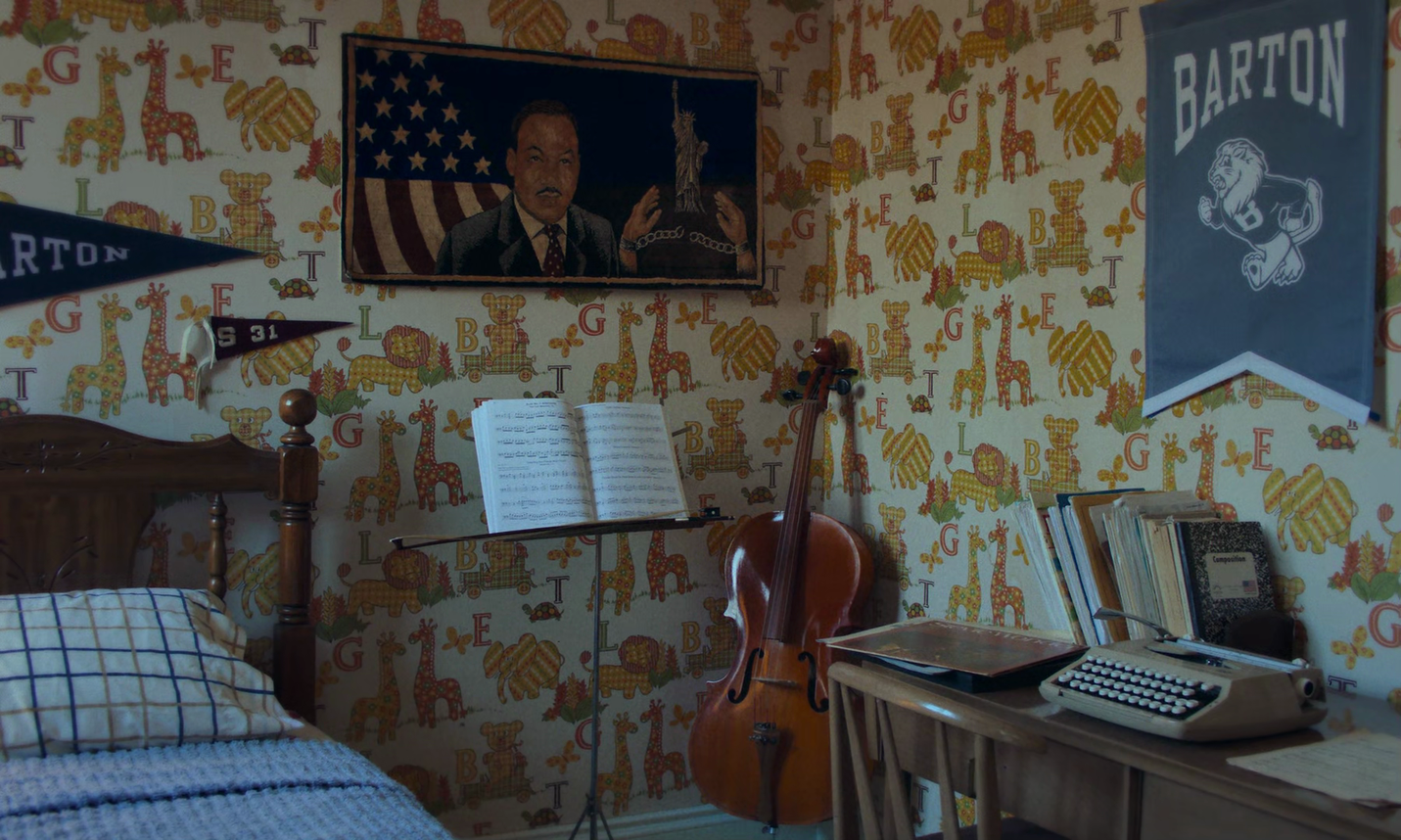
While these scenes use period props and set design to reinforce themes of lost dreams and disappointment, the production design rarely calls attention to itself. Instead of overtly signalling 1970 through conspicuous close-ups of recognisable 1970s products or nostalgic visual cues, the film integrates period detail organically into the background mise-en-scène. Elements such as the open-air bookshop, the liquor store, and the restaurant feel lived-in and unforced, creating a convincing social world rather than a stylised recreation of the past. This understated approach to production design strengthens the film’s realism, allowing the emotional lives of the characters to remain the primary focus.
Further reading
Questions for analysis
| 1 | How does the mise-en-scène in The Holdovers recreate the atmosphere and authenticity of 1970s New England? What examples (sets, props, costume) stood out to you? |
| 2 | In what ways do props, costumes, and set design reveal important details about the characters and their emotional lives? |
| 3 | How does the understated production design reinforce themes of grief, loneliness, and lost dreams throughout the film? |
Natural light
One important aspect of shooting on location is the use of natural light.
While filming on a studio set or sound stage allows filmmakers to carefully control lighting conditions, shooting on location means working with the changing and often unpredictable qualities of natural light instead.
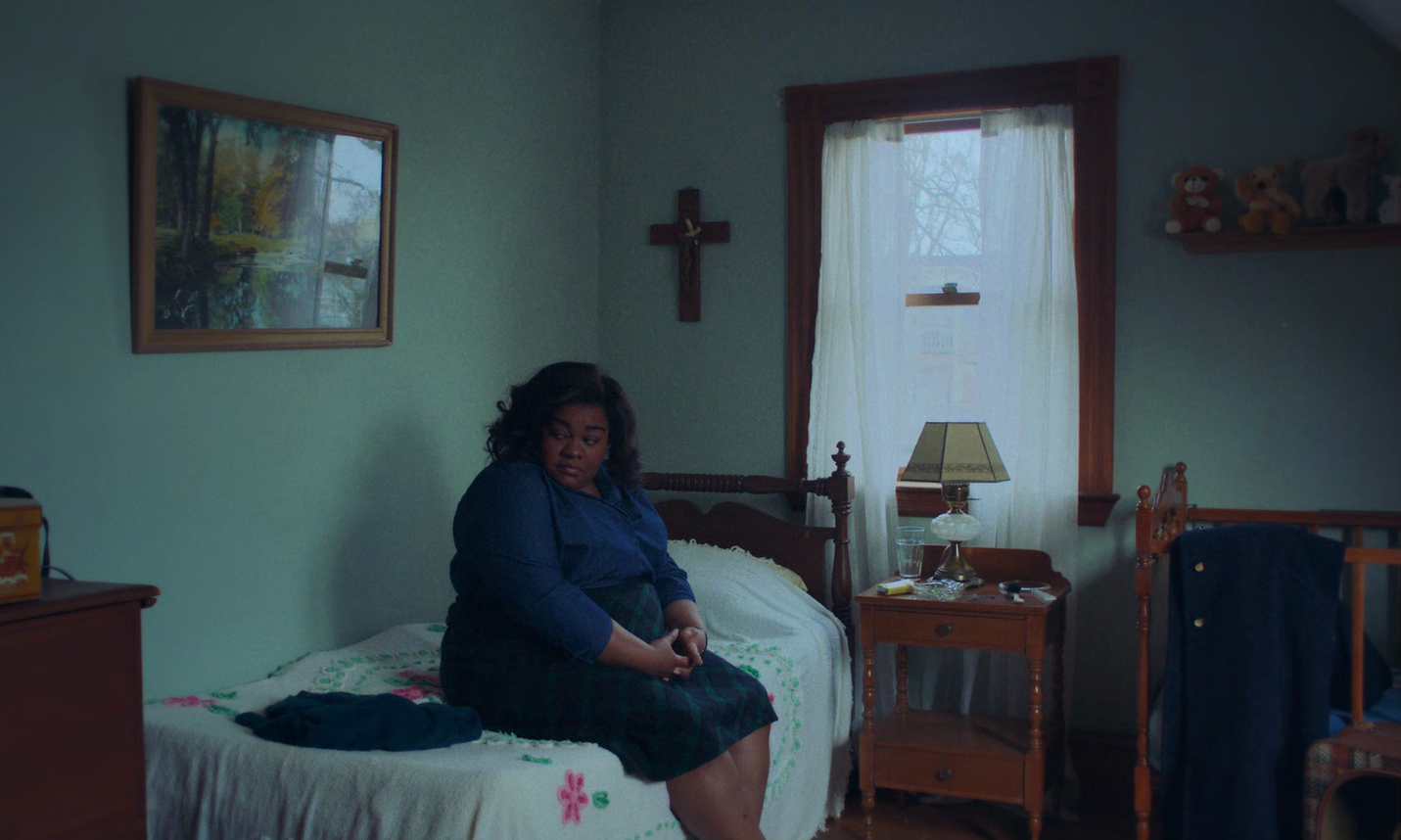
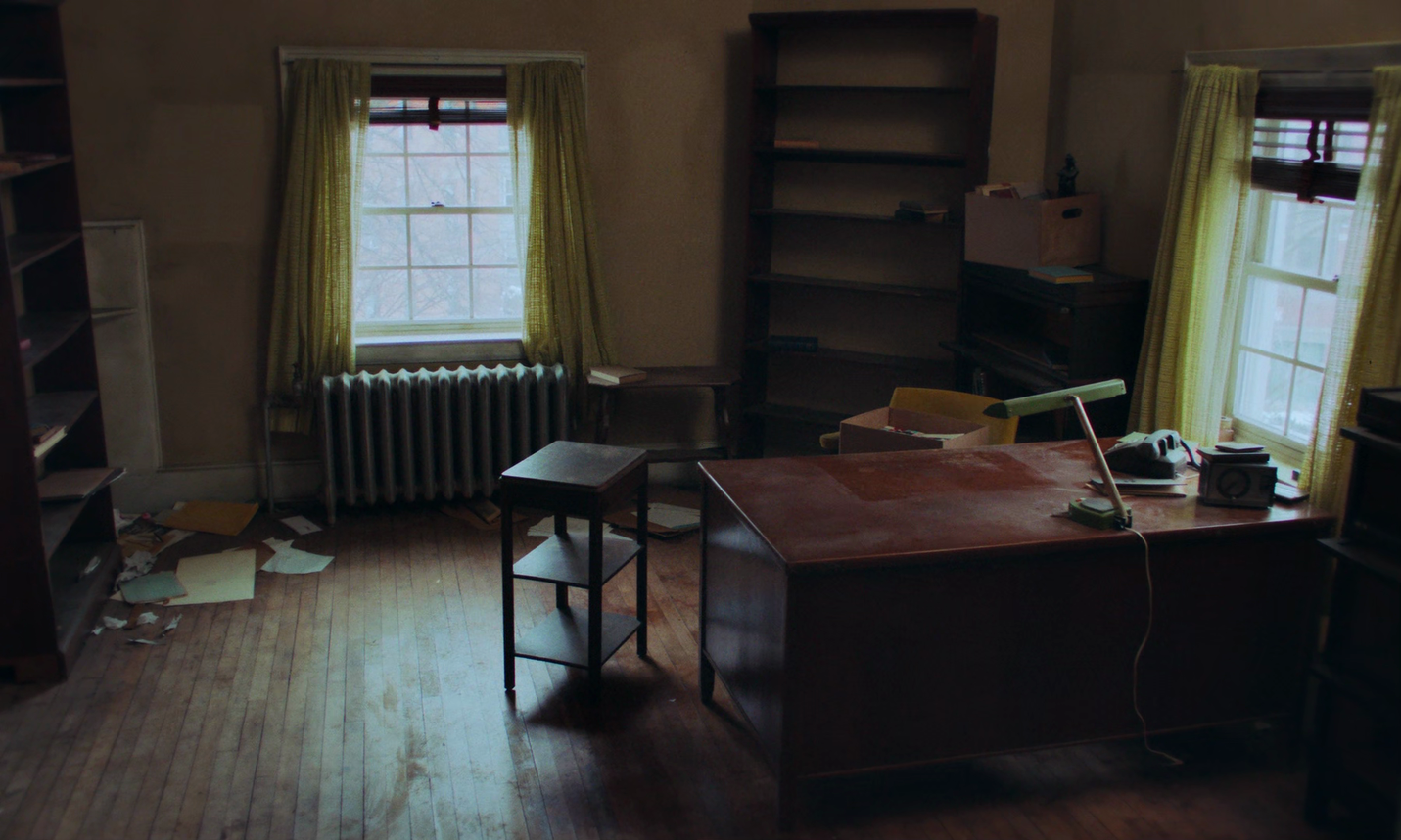
One advantage of filming on location is that natural light can enter through windows, creating realistic patterns of light and shadow within a scene.
Through allowing natural light into locations and scenes, Payne and his team have imbued the mise-en-scène with a sense of realism, presenting a world that is lived in and connected with the outside world. Glimpsing the leafless, wiry trees through windows adds to the sense of the characters being snowed or hemmed in, while the cold, white winter light adds to the portrayal of the characters’ isolation and disappointment.
Questions for analysis
| 4 | How does the use of natural light contribute to the realism and atmosphere of The Holdovers? |
| 5 | Explain how the wintry light through the windows helps portray the characters’ feelings of isolation and confinement. Use specific examples in your response. |
| 6 | How does the use of authentic locations and natural lighting help create a sense of both realism and isolation? |
Filmmaking techniques: production & post production
The discussion of mise-en-scène in The Holdovers focuses on the film’s period setting and atmosphere and the techniques used to achieve this. In addition to recreating 1970 visually, Alexander Payne and his team have used filmmaking techniques that make it appear as if the film was actually made in the 1970s.
The film’s adherence to a 1970s look is announced in the opening titles through the distinctively 1970s typeface and graphic design used in the opening title cards. These design elements come with grain, blotches, and a slight shakiness in keeping with films of the time. These titles prepare the way for the film’s sustained commitment to a ‘grainy’ 1970s look that enhances the mood and atmosphere of the period setting.

Digital to approximate film
It might be assumed that the most effective way to make a film look like it was made in 1970, would be to use 35mm film stock rather than a digital film camera, as digital photography was not widely adopted until the 2000s. However, The Holdovers was shot digitally using an ARRI Alexa Mini, a camera that can approximate the look of film stock, but for the most part, the filmmakers adjusted the image in post-production to achieve a more film-like appearance.
A key feature of traditional film is ‘grain’, the subtle texture that gives film images their organic, slightly imperfect quality. Digital images are smoother, so grain is often added to recreate this effect. In The Holdovers, the filmmakers used a system called LiveGrain, which makes the grain respond to the brightness and colour of each frame, creating a more natural and integrated look than a simple overlay. They also adjusted the colour palette to create warmer, more saturated tones and deeper shadows, echoing the look of 1970s film stock. In addition, they simulated halation (a soft halo effect) and introduced a slight jitter to make the image feel less modern. Together, these techniques help give the film its slightly imperfect, vintage look associated with the period.
As director of photography Eigel Bryld explained to Film Maker Magazine, the aim was to make the film “look like it was a movie found in the cans in someone’s garage.” A 'can' being the containers that film reels were kept in.
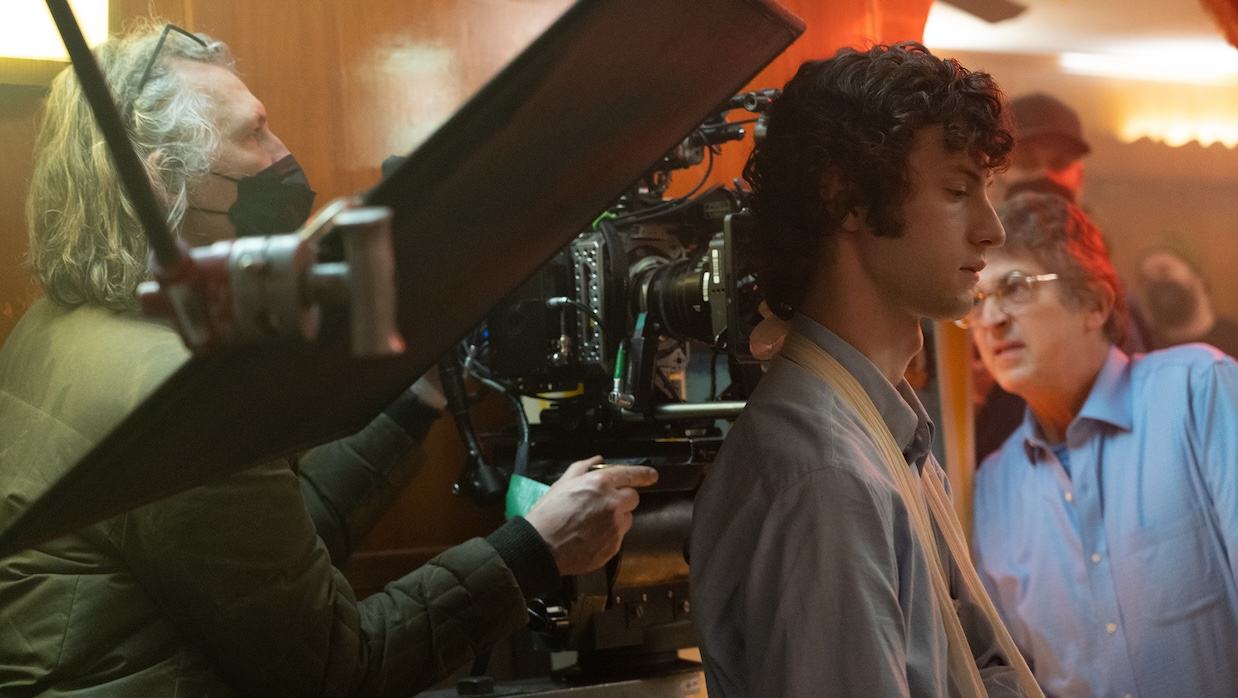
Perhaps even more significant to the 1970s style is the approach to camera. There are no drone shots, robotic camera movements or uses of Steadicam, as these technologies were either unavailable or not widely used in 1970s filmmaking. Instead, Alexander Payne and Eigil Bryld have used period-appropriate analogue camera techniques and movements. A great early example of traditional or manual camera movement is in the dining hall scene where a dolly (a platform on tracks) moves the camera down the length of the students’ and teachers’ dining tables.
Bryld also frequently relies on tripod-mounted pan and tilt shots to follow character movement, rather than using modern technologies that create a smoother or more fluid motion. Panning is used extensively throughout the film, along with several quick zooms. What stands out is that these are clearly manual movements, with a slight imprecision, adding character, texture and a sense of authenticity.
With this in mind, watch the scene where Hunham looks for Angus the morning after Lydia’s party (1:18:00 – 1:19:21), noting the camera work in this sequence. The sequence begins with a pan from Hunham to Angus’s empty bed and back to Hunham emphasising the teacher’s growing concern. The sequence also includes a dolly shot that moves from Hunham to Mary in the kitchen, maintaining the film’s preference for traditional camera movement. At one point, an oblique (Dutch angle) shot subtly conveys Mary’s hangover while also reflecting Hunham’s growing realisation that Angus is missing. This is followed by a striking crash zoom-out that feels deliberately manual rather than mechanically smooth, reinforcing the film’s 1970s aesthetic. Then, what first appears to be a locked-off shot at the top of the stairwell transitions into a pan that follows Hunham’s movement through the space. This sequence concludes with a powerful static wide shot of the school theatre, using stillness and composition to heighten the emotional atmosphere. Again, the key here is the use of technology available at the time to incorporate a charming imprecision that lets us know a human is behind the camera.
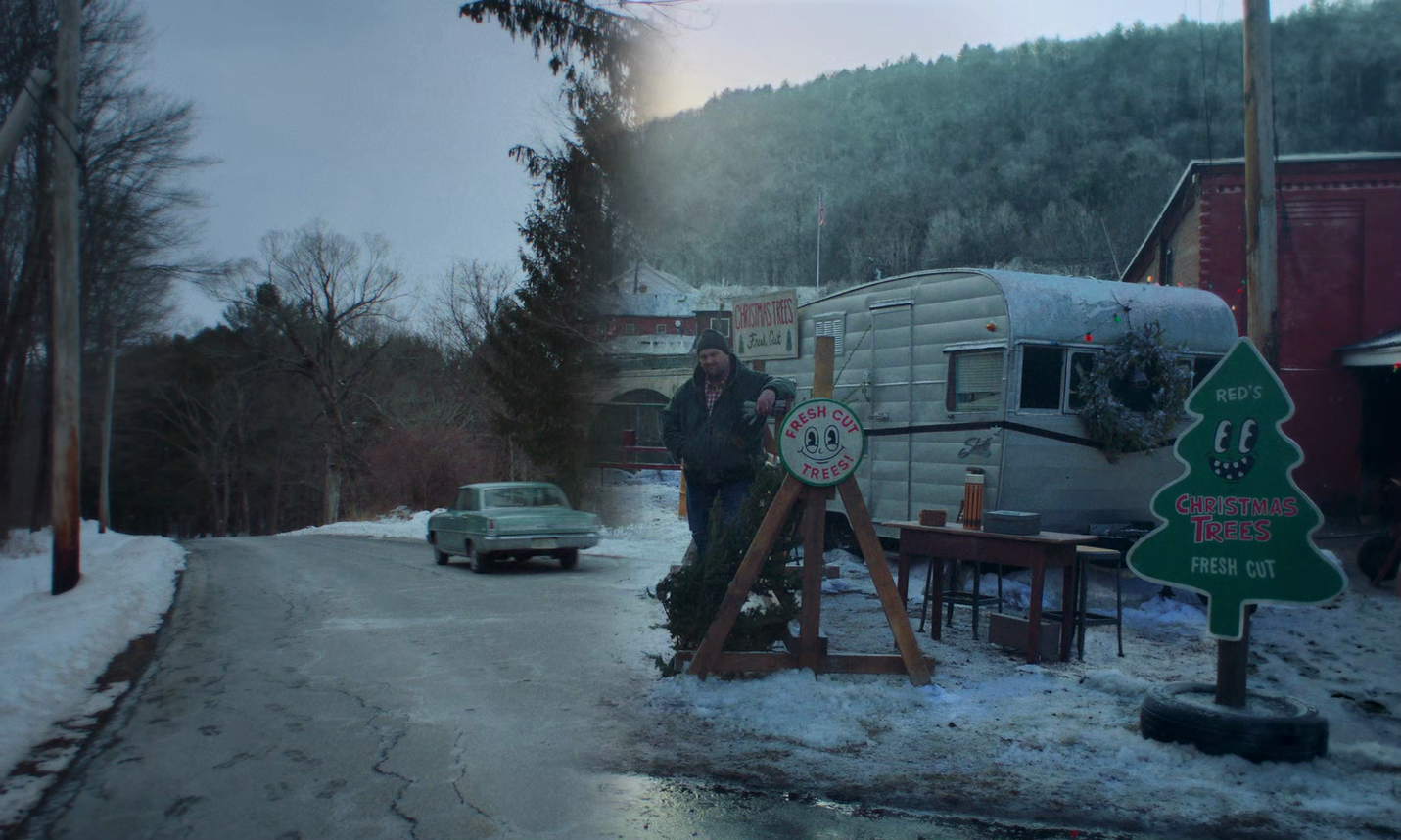
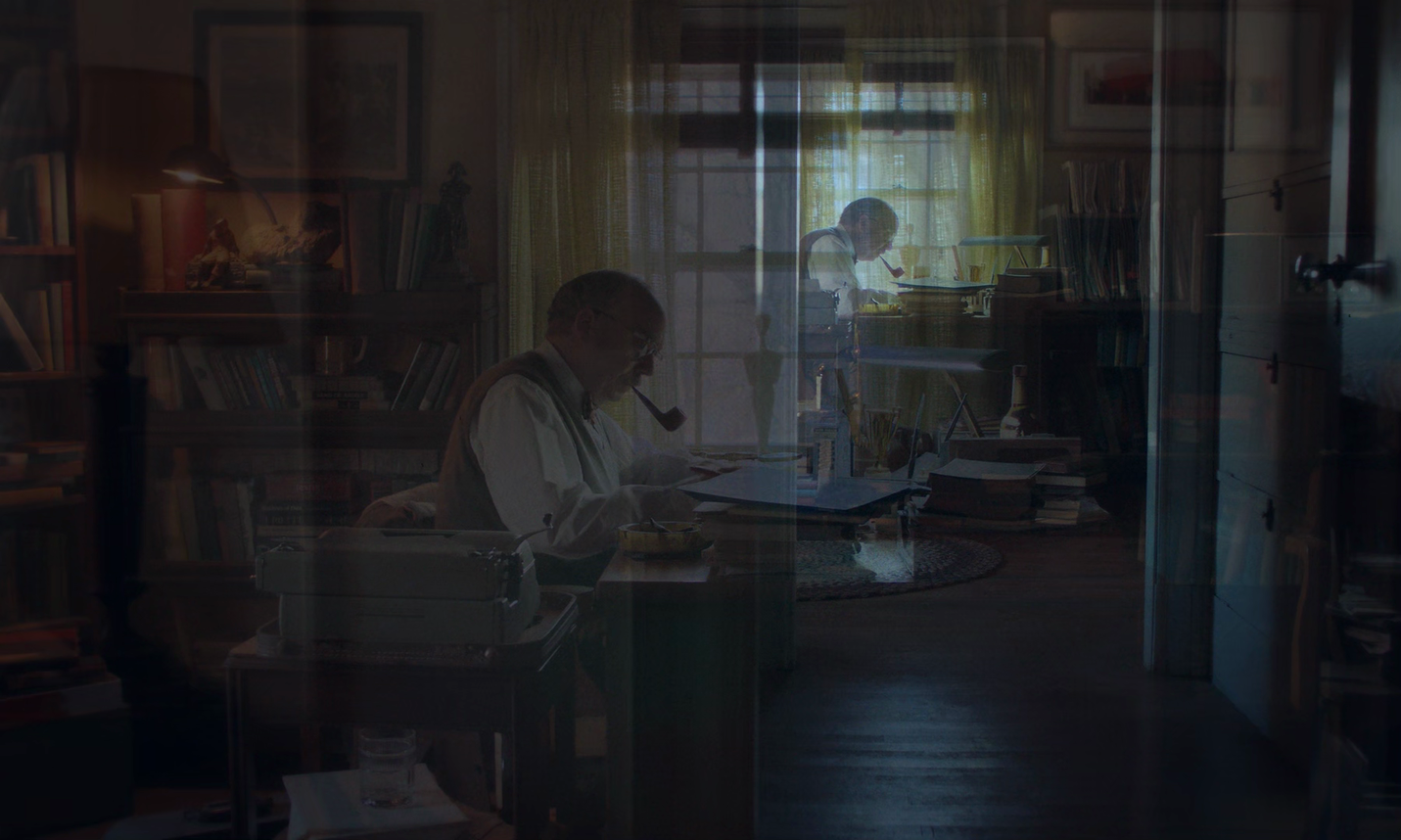
Other hallmarks of the 1970s have been added during the post-production editing phase, including a handful of wipe transitions, and cross-dissolves.
Further reading
Jo Light, “Cinematography & Cameras – The 4 Elements That Can Make Digital Footage Look Like the 1970s”, Nofilmschool,16 Jan 2026
Rodrigues, M.D. "The Out-of-Fashion Film Trick That Makes ‘The Holdovers’ so Affecting." New York Times (access through your library)
Devan Scott, ‘The “Film Look” and how The Holdovers achieved it’, Filmmaker, 31 January 2024
Soundtrack & score
The Holdovers features both an original score composed specifically for the film and a curated soundtrack of licensed songs. Both score and soundtrack sound true to the film’s 1970 setting. The film’s score was composed by Mark Orton, who created a score entirely using instruments popular and available at the time, including Wurlitzer electronic piano, Gibson Les Paul guitar, Fender Telecaster, Neve 8078, as well as pump organs and flutes. Interestingly, not all the soundtrack is from the period – the folk song accompanying the series of establishing shots around the campus early in the film (“Silver Joy” by Damian Jurdo) was recorded in 2014. Its modern origin subtly reinforces the film’s deliberate blending of contemporary filmmaking with a carefully reconstructed past.
The rest of the soundtrack is made up of songs from 1970 or earlier, including “Crying, Laughing, Loving, Lying” (Labi Siffre), and “In Memory of Elizabeth Reed” (The Allman Brothers Band). Both the soundtrack and score gain further authenticity because they are presented in mono rather than in one of the multi-channel formats used in contemporary cinema.
Further reading
Dreldon, ‘MARK ORTON finds a musical way home as he rides with Alexander Payne and “The Holdovers”’, On the score, November 16, 2023
Elizabeth Castillo, ‘Portland-based composer reflects on scoring ‘The Holdovers’ and other films’, OPB, 7 November 2023
Chris Connor, ‘Exclusive interview – Composer Mark Orton on The Holdovers’, Flickering Myth, 26 November 2023
Steve Pond, ‘Song or score? “The Holdovers” music blurs the line’, The Wrap, 29 November 2023
Questions for analysis
| 7 | How do the opening titles establish The Holdovers’ commitment to a 1970s aesthetic, and why is this significant for setting audience expectations? |
| 8 | How do the film’s post-production choices (such as grain, colour grading, halation and jitter) shape the audience’s emotional response to the story? What qualities or associations do these visuals create? |
| 9 | How does the 1970s visual style influence the audience’s relationship with the characters and their emotional isolation? |
| 10 | What is the effect of transitions such as wipes and cross-dissolves? How do these editing choices shape the film’s pacing, mood, or sense of memory and time? |
| 11 | How do the soundtrack and score influence the audience’s understanding of character, setting, and emotional tone? |