ACMI & Melbourne International Games Week present
Games for Change 2026: Summit
Tickets
All orders incur $1 online booking fee which will be added to your cart. ACMI Members don't pay fees, join today.
When
Wed 7 Oct 2026
10am, 12pm & 2pm
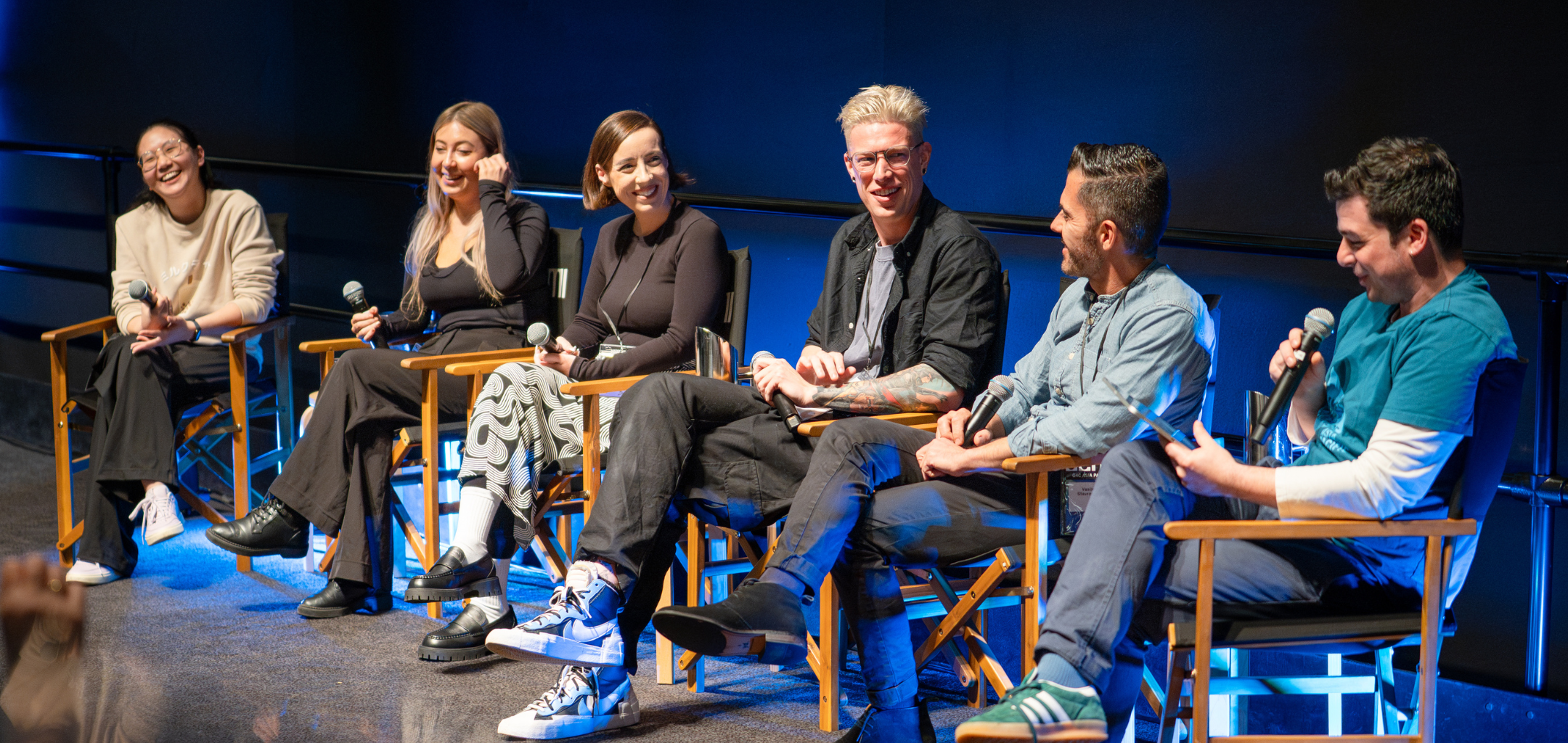
Join us for an inspiring day exploring the transformative potential of digital games as a part of Melbourne International Games Week 2026. This year's Summit brings together developers, educators, researchers, and change-makers to explore how interactive storytelling and immersive gameplay can help solve real-world problems.
Games for Change is where health, environmental, wellbeing, civic and social impact leaders discover how videogames can drive measurable change - building empathy, inspiring action, and creating a healthier, fairer, and more connected world.
From mental health and climate action to richer learning and deeper civic engagement, games are emerging as powerful tools for positive change.
Whether you're a game designer, teacher, policymaker, or simply passionate about innovation, this is your chance to discover how play can empower purpose, and how Games for Change Australia is helping to build a better, more empathetic world.
Participants are also invited to visit the free Games for Change Showcase in Cameo on 7 & 8 Oct.
About the sessions
Session 1: Games for Climate and Community
How can games help people understand the role of community in climate response, and move from understanding to action? This session brings together presentations and a panel discussion exploring how games, simulation and play are being used to communicate climate risk, support adaptation and strengthen community. Speakers will share experiences from research, commercial studios and facilitation practice, before opening the conversation to how developers, researchers, communities and institutions can work together to make games a more useful part of the climate response.
Session 2: Games for Health and Wellbeing
How can games support mental health and wellbeing, and what does it take to design and deliver them well? This session brings together presentations and a panel discussion exploring the evidence, the lived experience and the design practice behind games made for wellbeing. Speakers will share experiences from research, clinical practice, community settings and independent studios, before opening the conversation to how researchers, developers, health professionals and the people these games are made for can work together to make games a more credible and effective part of care.
Session 3: Games for Learning
How can we make it easier for educators to adopt, develop and effectively use games for learning? This session brings together presentations and a panel discussion exploring the opportunities, challenges and practical support needed to expand the use of games across education. Speakers will share experiences from research, development and practice, before opening the conversation to how institutions, educators, researchers and game creators can work together to make games a more accessible and effective part of learning.

About the speakers
Session 1: Games for Climate and Community
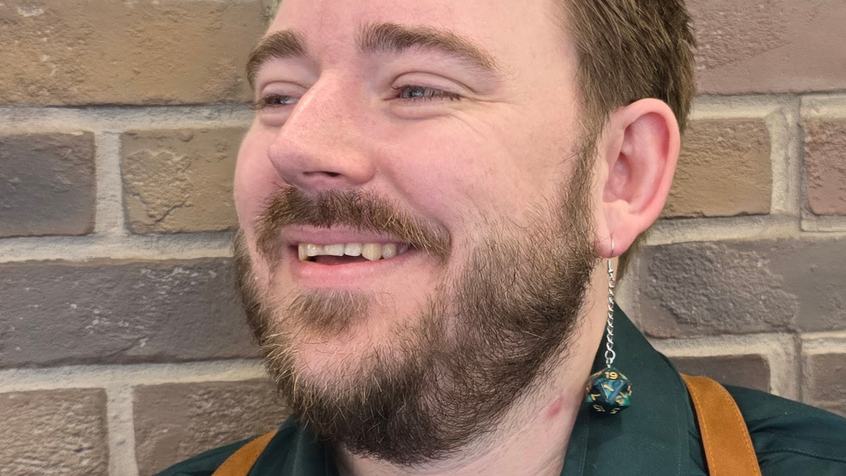
Sidney Icarus (Wax Wings)
Sidney Icarus (they/them) is a systems designer and evaluator who believes that we cannot even begin to solve complex problems until we play with them. Sidney engages complexity through story and simulation in climate, healthcare, and security. They also enjoy simplicity, like good Melbourne coffee and a cat called Radar.
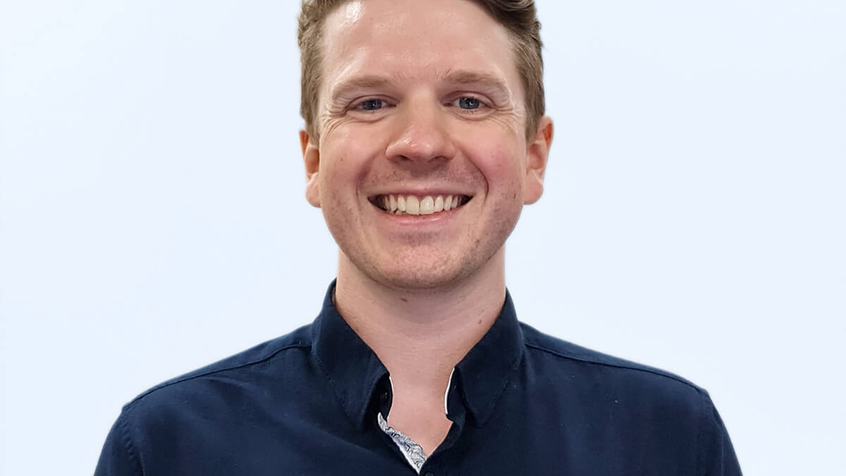
Nico King (Chaos Theory Games)
Nico King is the Co-founder and Executive Creative Director of Chaos Theory Games, an award-winning, for-purpose game studio based in Sydney. Since founding the studio with two childhood friends, Nico has worked with organisations including Google, Samsung, and the UN World Food Programme. The studio was named Studio of the Year at the 2024 Australian Game Developer Awards, and their game Crab God won Best in Environmental Impact at the 2025 Games for Change Awards. Nico is passionate about creating entertainment-first games that contribute to a more sustainable and equitable world.
Vipin Dhunnoo (Bond University)
Vipin Dhunnoo is an architect, XR designer and PhD candidate at Bond University, where his research develops immersive VR as a tool for climate communication. Trained as an architect, with further postgraduate study in sustainable environments and urban planning, he brings a background in spatial design and storytelling to interactive media. His past creative work, Neoasis, was selected for exhibition at the Australian Pavilion forecourt for Dubai Expo 2021, and his research has been published in a Q1 Scopus journal and presented at the Queensland Games Festival, UN SDG Action Festival and UNESCO Paris.

Kiri Bear (Amble Studio)
Kiri Bear is a funeral celebrant, artist, facilitator and game designer building regenerative cultures from the inside out. They hold space for feelings so that humans can find their way back to right relationship with self, other and Earth.
They create opportunities for people to turn toward the hard realities of climate change, colonisation and violence against women, to feel into them and discover pathways to connection, authenticity and evolution.
Uncertain times call for new strategies, forgoing control in favour of deep listening, building trust through play, creating containers for emergence and cocreation. Kiri designs and delivers processes that help teams collaborate, navigate difficult conversations and find ways to flourish together.
Session 2: Games for Health and Wellbeing
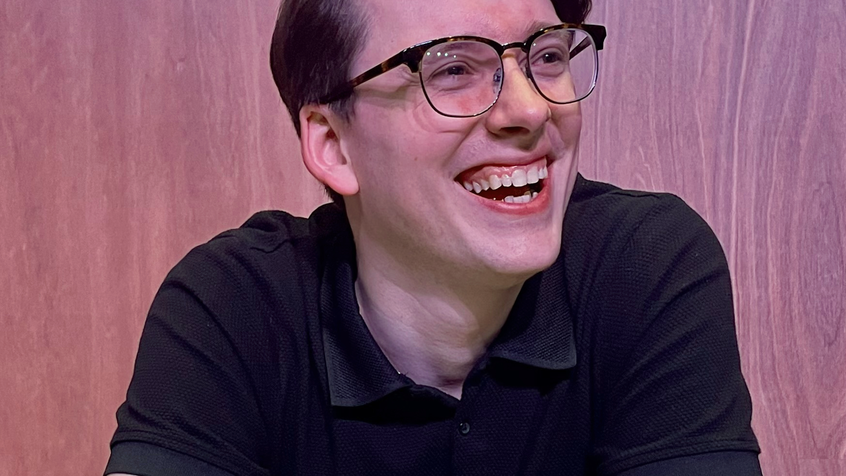
Ceri Hutton (Ceri Hutton Consulting)
Ceri Hutton is an experienced project manager, designer, and games industry consultant specialising in strategic operations, data analytics, and go-to-market strategy.
He holds a Global Executive MBA from Monash University, has over a decade of experience designing and delivering bespoke projects, and is the director of the Smart Program, a specialised games career accelerator that creates career pathways for future industry leaders.
Previously, Ceri worked for the peak industry body IGEA, where he managed the game development focused co-working space, The Arcade; directed the Australian Game Developer Awards; and led strategic operations and industry partnerships for Games Connect Asia-Pacific.

Rachel Kowert (Psychgeist)
Rachel Kowert, Ph.D is a research psychologist, award winning author, and globally recognized leader facilitating global policy and product development with non-profit, governmental, and non-governmental agencies for more than 15 years through data-driven research focused on mental health and trust and safety in digital games. She has spoken about her work to thousands of people across the globe, including the United Nations and the United States Congress. She has published a variety of books and scientific articles relating to the psychology of games and, more recently, the relationship between games and mental health specifically.
Rachel is also the founder of Psychgeist®, a multimedia content production studio for the science of games and pop culture.

Michelle Chen (Mental Jam)
Dr. Michelle Chen is a game developer with 15 years experience in programming, design and production. She is a GameIndustry.biz 100 Future Talent, IGDA Next Gen Leader and Museums Victoria Culture Maker. She completed a PhD in Design, developing video games about mental health at RMIT University in Australia. Since graduating, she has spun out her research into Mental Jam, a games studio dedicated to co-creating impactful experiences that explore mental health.
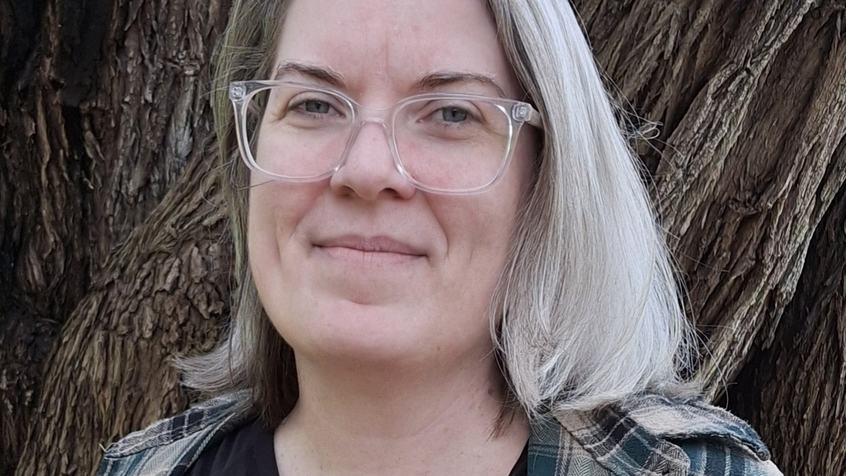
Rebecca Kerr (Unnatural Freaks Studio)
Rebecca is a game developer, lecturer, and writer based in Western Australia. A dedicated advocate for Bipolar Disorder, their creative work and indie game narratives purposefully explore mental health and psychological conditions to raise awareness and combat systemic stigma. In the classroom, Rebecca works closely with neurodivergent students, actively adapting their teaching practices to support diverse learning needs. An experienced educational speaker and presenter, recent events include Games for Change AP 2025 and Book Fair Australia Melbourne 2026.
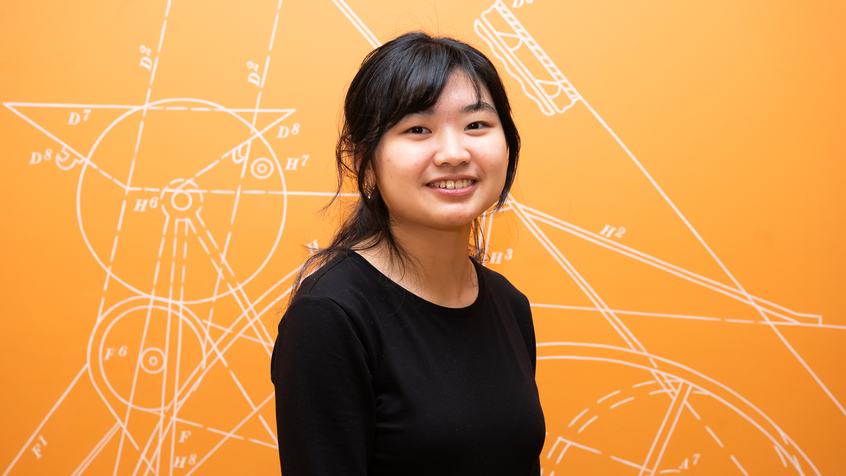
Cheryl Budiman (Mental Jam)
Cheryl is a Melbourne-based Game Artist and Multimedia Designer with a Bachelor of Design in Animation from RMIT University. Her journey from animation and visual storytelling into game development led her to Mental Jam, where she explores how creativity can support conversations around mental health. Through 2D illustration, vector graphics and game art, she is passionate about creating experiences that connect with younger audiences and make ideas around emotions, empathy and social challenges easier to understand. She hopes to use art and games to help young people feel seen, understood and heard.
Session 3: Games for Learning
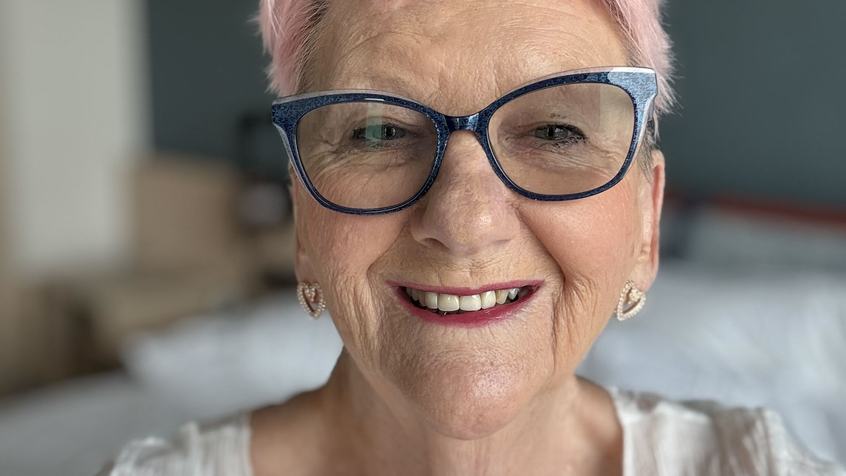
Bron Stuckey (Innovative Educational Ideas)
Bron is a passionate advocate for games in K-12 learning and been immersed in gameful learning practices for the past 25+ years. Over that time Bron has initiated, advised, designed and supported educational programs within large scale game environments like Murder Under the Microscope, Quest Atlantis and Minecraft. Working with organizations such as NSW and Victorian Departments of Education, Indiana and Arizona State Universities and Questacon where she was the 2023 Educational Cyber Mind in Residence. Her passion project GameChanger Girls Esports League celebrates girls as STEM creatives. She advocates for all levels of esports to focus beyond the small team of players and consider all the substantive wins that can be gained when initiating esports programs in schools.

Dale Linegar (BlueRoom Simulations)
Dr. Dale Linegar is passionate about using technology to improve the human condition. He is Chief Technology Officer at BlueRoom Simulations, where he helps design mixed reality solutions for first responders and defence medics around the world. Dale holds a PhD from RMIT University examining values in serious game design and has published research on serious games, simulations and virtual environments in education. He founded Games for Change Asia-Pacific and has more than 20 years of experience creating award-winning serious games and simulations for education and training. Dale also co-founded The Lab, a nationwide network of technology clubs for young people with Asperger's Syndrome. He has served on the board of Simulation Australasia and has worked as an educator, researcher and advisor across a range of universities.
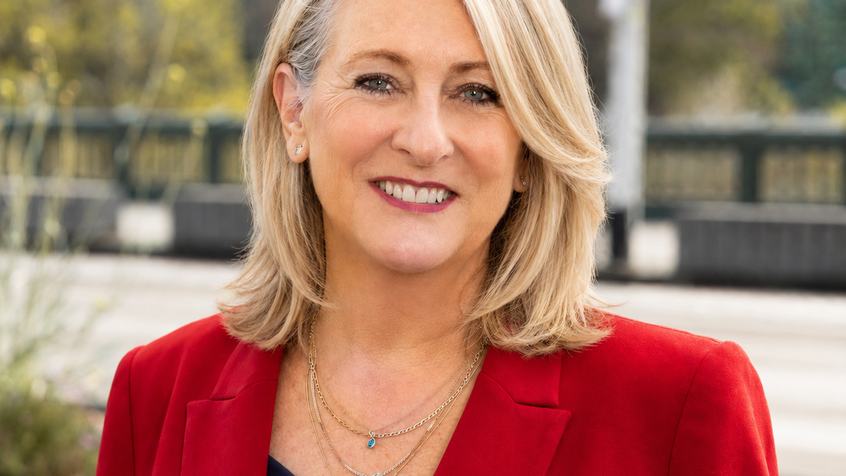
Gillian Vesty (RMIT University)
Gillian Vesty is a Professor in the College of Business and Law at RMIT University. She is the Chair of RMIT Education Committee, a member of CPA Australia, Board Member of Games for Change, Australia, Board Member of Southwest Healthcare, Victoria and on the Editorial Board of Accounting Auditing and Accountability Journal. Prof Vesty's value-based healthcare research aligns management accounting with healthcare funding and budgeting to address health and wellbeing challenges. Prof Vesty is a keen developer of serious games to simulate real world challenges with social impact.
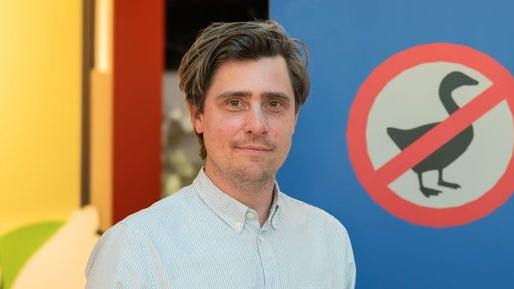
Garry Westmore (ACMI)
Garry Westmore is a senior education producer in the ACMI education team. As an educator who has worked in the classroom and in the museum context, he has a wealth of experience in designing learning programs including workshops, lessons, talks, and learning resources in both physical and online formats.