ACMI & Melbourne International Games Week present
Games for Change 2026: Showcase
When
Wed 7 Oct & Thu 8 Oct 2026
10am-5pm daily
The Games for Change Showcase is an exciting opportunity for students in health, environmental, and humanities disciplines - as well as aspiring game developers and gaming enthusiasts - to connect with creators of serious games, discover the ideas and design processes behind their work, and experience these innovative games firsthand.
Secondary and tertiary teachers will learn how serious games are moving from entertainment to proven tools that offer interactivity and engagement for student learning, plus insights about innovative careers.
Victorian Curriculum links include Digital Technologies, Media, Health and Humanities.
On Thursday, 8 October, attendees of the Careers and Frontiers Education Symposium will have the opportunity to explore the Showcase as part of the symposium program.
Check out the Games for Change Summit on 7 Oct.
Presented with

Explore the games
Day 1 - Wednesday
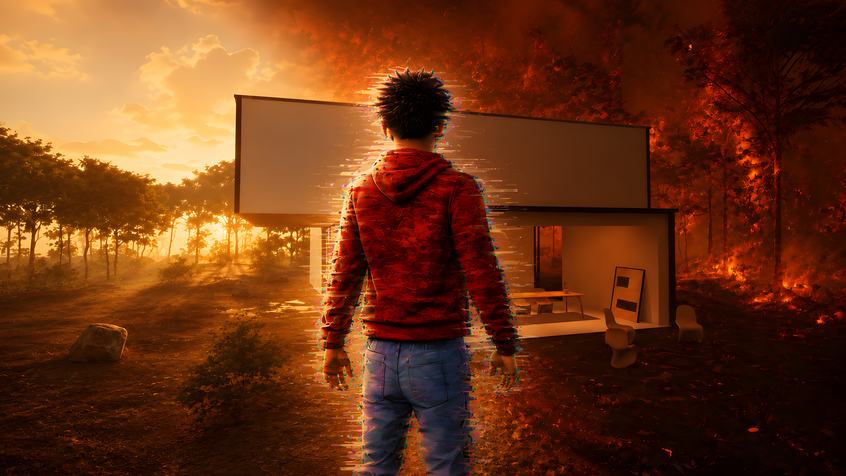
Fireline (University of New South Wales)
An immersive fire preparedness experience. Players work through a home in the path of an approaching bushfire, clearing what would carry the flames closer. Built in Unreal Engine as part of a Master of Immersive Design at UNSW, it turns public safety advice into something you do rather than read. Around five minutes per play.
Capability Quest (RMIT University)
A playable world built on RMIT's campuses in Melbourne, Shanghai, Singapore and Vietnam. Students travel between them, discover landmarks and take on challenges: riding through the city, shooting hoops, helping a friend, hunting carbon credits. Their choices shape what happens next. Each challenge brings one of RMIT's graduate capabilities to life, so creative and critical thinking, collaboration, adaptability and global citizenship are practised through action rather than read about.
Day 2 - Thursday
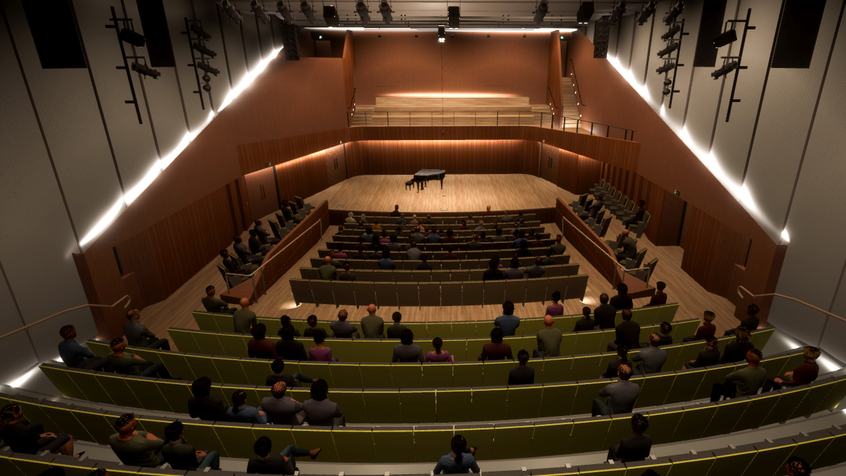
Virtual Performance Simulator (University of Melbourne)
A VR experience that lets musicians rehearse one of the hardest moments of their training: walking on stage. Players begin backstage waiting for a cue, then enter a realistic concert hall and perform to a virtual audience. For musicians with few chances to play in real concert halls, it offers somewhere safe to make mistakes and repeat the moment until nerves turn into familiarity. Created by the University of Melbourne.
Kin Keeper (Sunny Numbat Studios)
A game about a story not often seen in games, built by a researcher whose PhD investigated whether puzzle video games can improve resilience. It carries a deliberate level of frustration, players choose when to end, and the characters settle into a new normal rather than a resolution.
Wednesday & Thursday
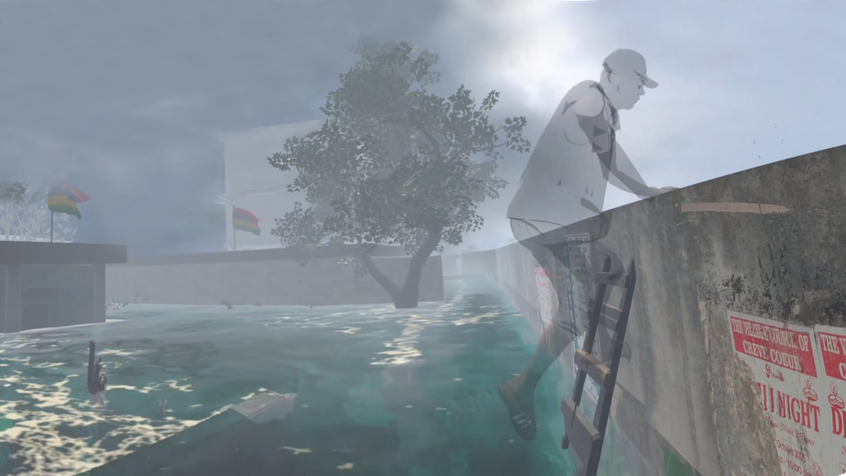
Water at Our Feet (Bond University)
Begins in your own room. Passthrough blends your space with mixed reality before dissolving into a virtual coastline, carrying you from the year 2000 toward 2100. Your hands do the work: raise a flood wall, plant a seed, pull a brick free to reshape a building. Each action is a real adaptation used by coastal communities today, and the scene responds in real time to show what that choice means decades on. Built for Meta Quest 3 with native hand tracking, grown from a study with participants across Mauritius and the Gold Coast.
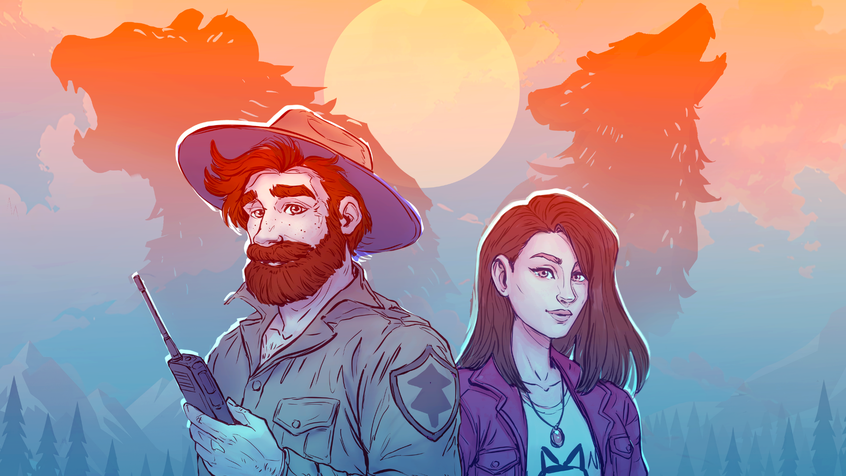
Silver Lake National Park (Unnatural Freaks Studio)
A cozy PC game and a supernatural spin-off of The Last Werewolf. Players step into the paws of Ranger Logan, a werebear navigating work, relationships and Bipolar Disorder. Through a day-in-the-life lens it explores how Bipolar affects daily energy, not just mood: running tours and campfire stories keeps visitors happy, but pushing too hard drains Logan's battery, and like a bear reacting to the seasons that battery shifts with summer and winter. Players choose between Logan's ambitions and the invisible labour of staying well.
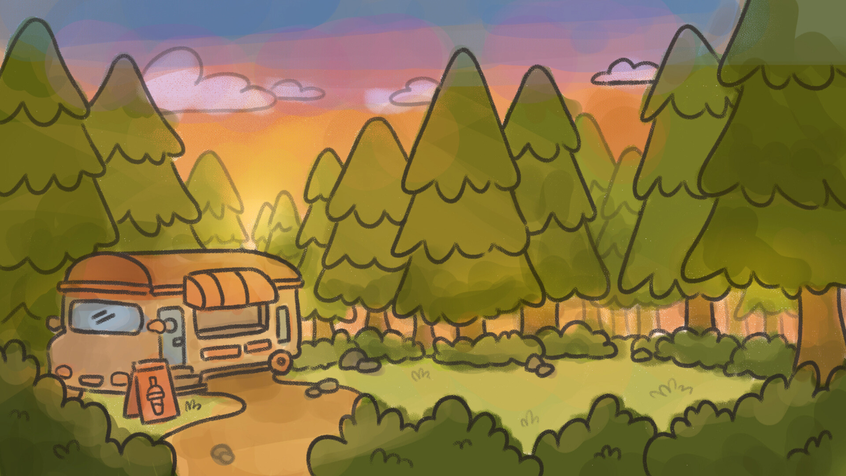
Bobarista (Mental Jam)
A cozy narrative game where you craft bubble tea, meet a diverse cast of characters and help them through personal struggles. Each minigame is built on a different mental health coping mechanism. Developed through co-design with young people, drawing on their lived experience, by Mental Jam, a studio spun out of a PhD in Design developing video games about mental health at RMIT.
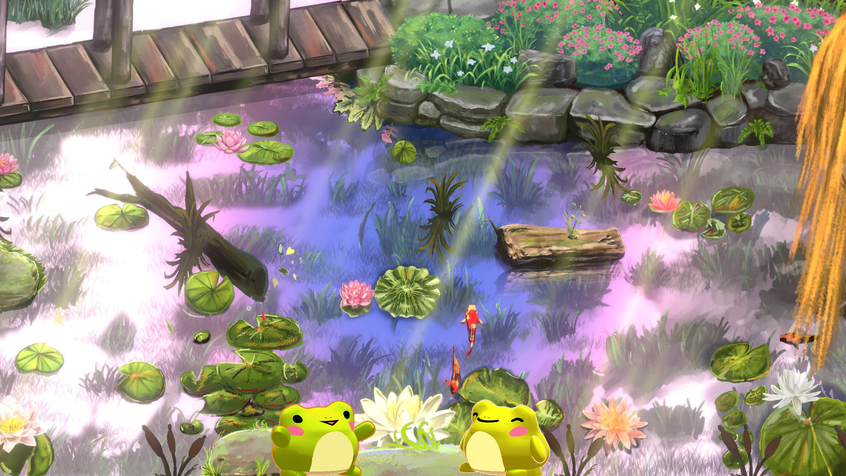
Heartlog (Edison Chen)
A space for honest anonymous writing, where strangers occasionally recognise themselves in each other. It applies relational design to everyday emotional life, asking whether digital products can facilitate genuine human connection rather than simulate it. Players write asynchronously to a shared server, and a weekly question frames what everyone is responding to.
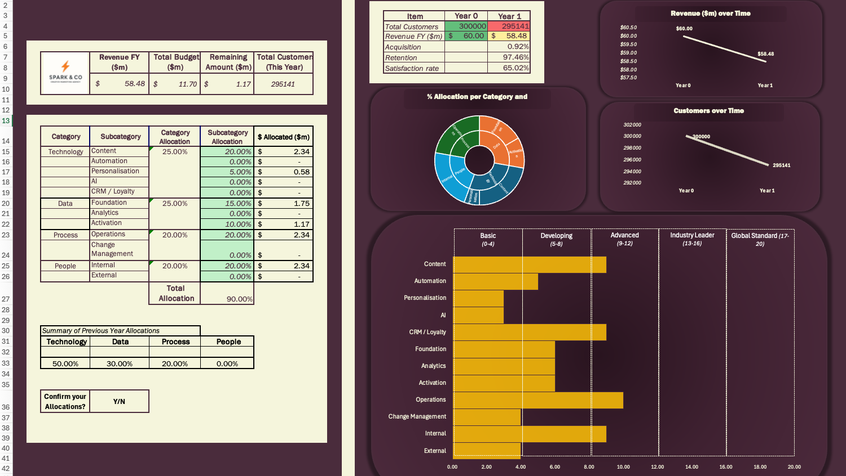
Orhestrate (RMIT College of Business and Law)
A marketing technology simulation co-designed with industry, run as a five-year business game. Players manage a strategic budget across People, Process, Data and Technology, navigating trade-offs that drive customer acquisition, retention, satisfaction and revenue. Built for postgraduate and undergraduate students, it is designed to shift thinking from tool-first to ecosystem-led. Around ten minutes to play through.
Copycat (Spoonful of Wonder)
A cozy narrative game where you craft bubble tea, meet a diverse cast of characters and help them through personal struggles. Each minigame is built on a different mental health coping mechanism. Developed through co-design with young people, drawing on their lived experience, by Mental Jam, a studio spun out of a PhD in Design developing video games about mental health at RMIT.