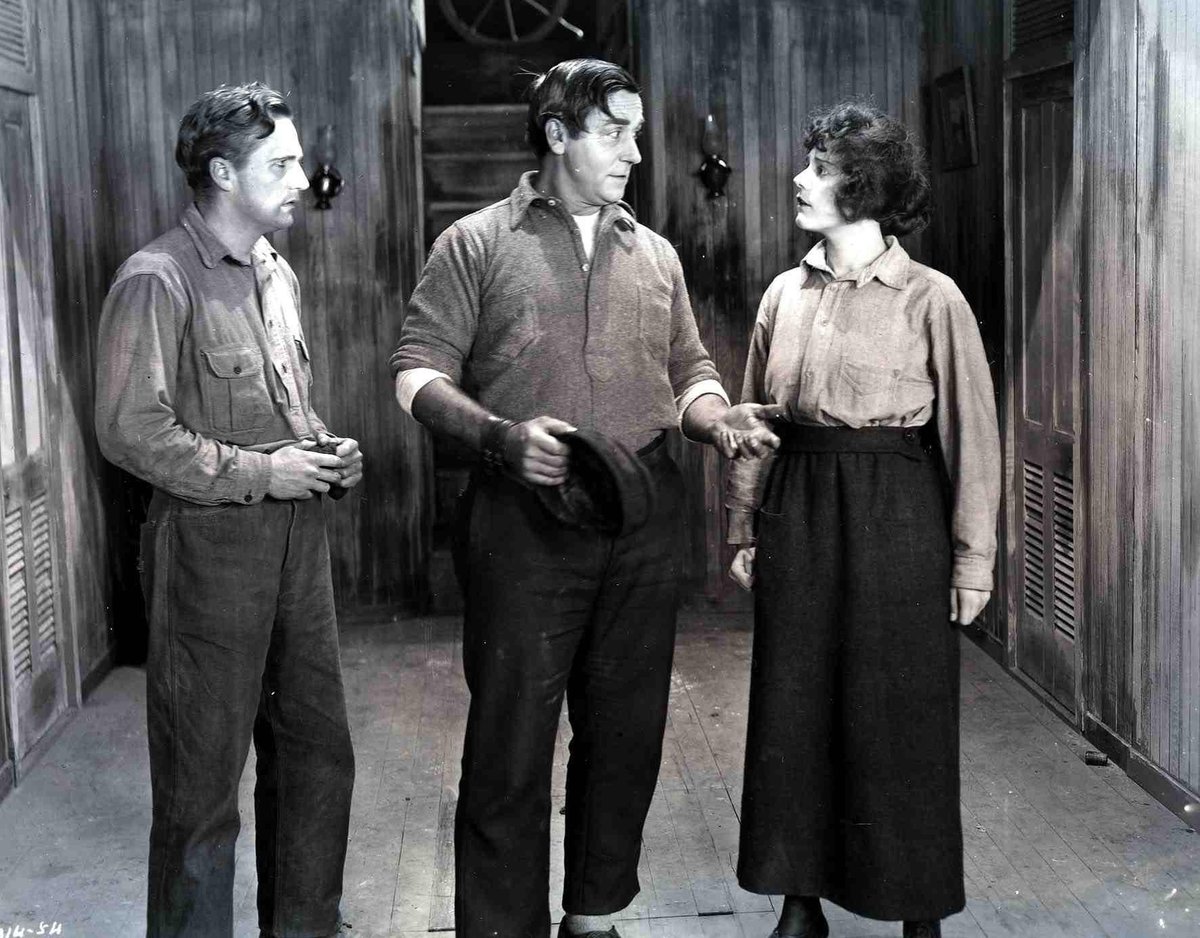
Though experiments into stereoscopic movies started back in 1889, filmmaker Edwin S Porter projected the first 3D test film in 1915. He used the red-and-green anaglyph system that most people associate with 3D. Audiences looked through red-and-green glasses at two film strips, recorded and projected in each colour, that gave the illusion of depth when superimposed.
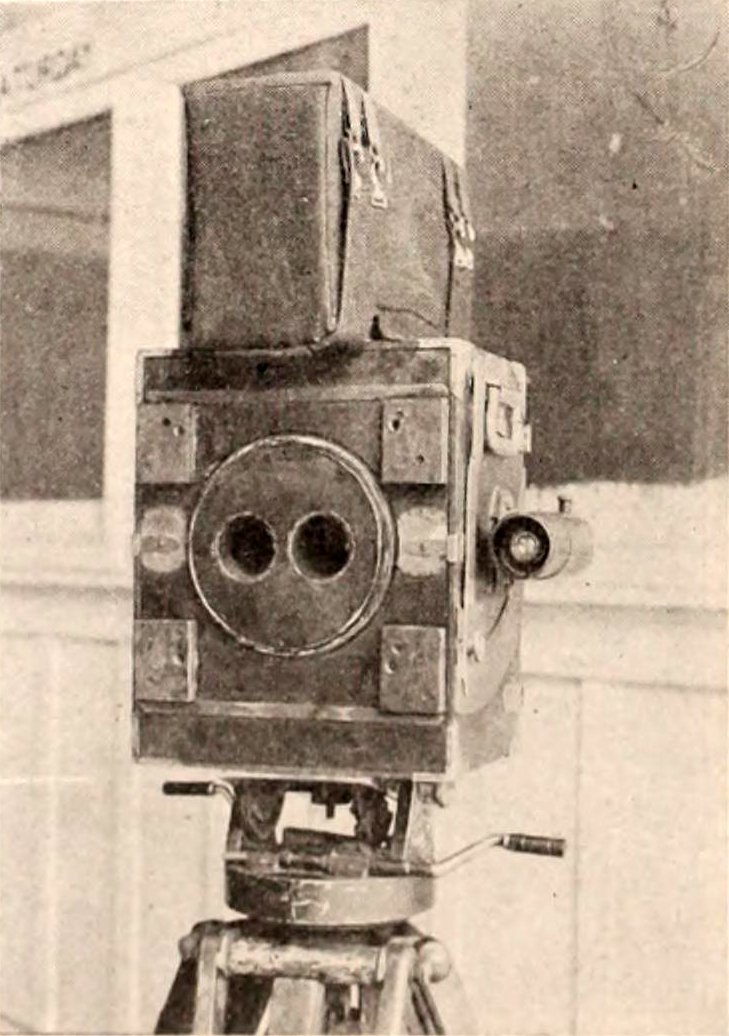
The same system was used for The Power of Love (1922), the first feature 3D motion picture screened for a commercial audience. And 3D wasn’t that film’s only innovation: viewers could choose different endings by peering through only the red or green lens. It was the only film released using the Fairall-Elder stereoscopic camera pictured here.
Related works
Collection
Not in ACMI's collection
On display until
16 February 2031
ACMI: Gallery 1
Credits
Collection metadata
ACMI Identifier
Curatorial section
The Story of the Moving Image → Moving Pictures → MI-08. Immersive Innovations → MI-08-C01